Fine motor activities are anything that uses the small muscles of the hands and fingers: pinching, squeezing, threading, cutting, drawing and coloring. Kids use these skills for holding a pencil, buttoning a coat and opening a lunchbox. The 35 ideas below are grouped by age, with simple setups that use things you probably have at home.
Fine Motor Activities for Kids: 35 Ideas by Age
November 12, 2026
Fine motor activities for kids by age, from toddlers to age 8: ideas that build finger strength and coordination, with simple setups and safety tips.
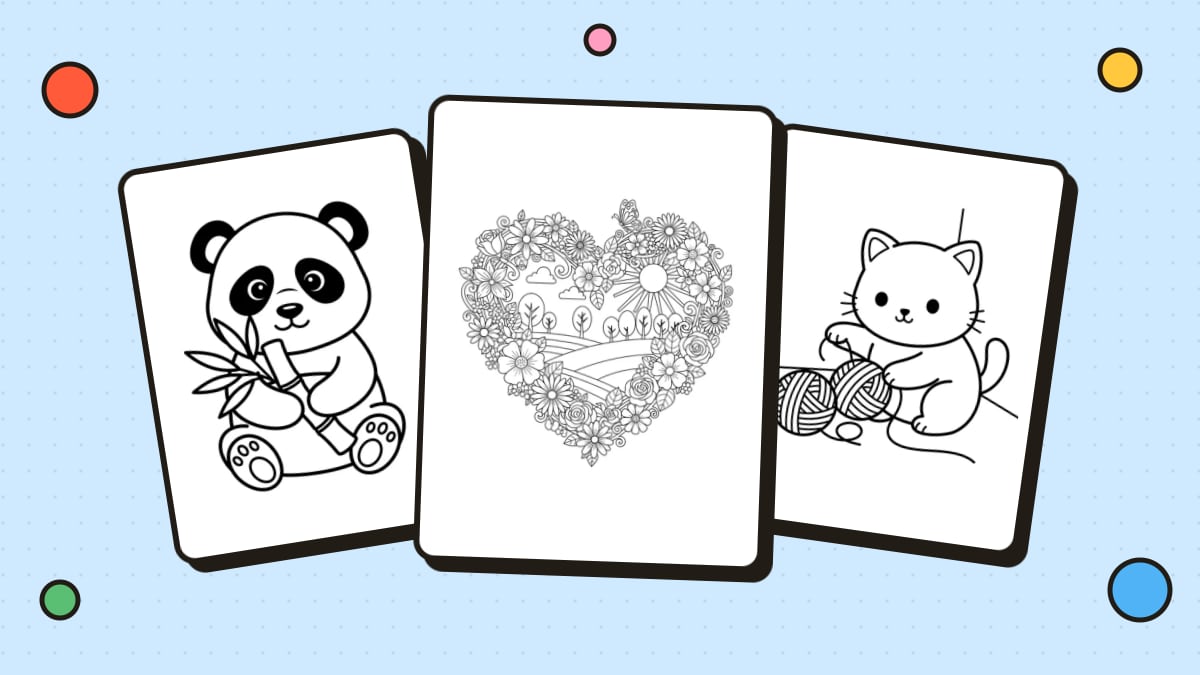
fine motor activities
fine motor skills activities
fine motor activities for preschoolers
fine motor activities for toddlers
hand strengthening activities
What fine motor skills are, and why they matter
Fine motor skills are small, precise movements made by the fingers, hands and wrists. They develop gradually. A toddler picks up a snack with a whole-hand grab, a preschooler learns to pinch with thumb and finger, and by early elementary many children can write, cut and tie with more control.
Practicing these movements through play helps kids gain strength and coordination for everyday jobs like writing, zipping and using utensils. Activities also build focus and patience.
This guide is for general ideas, not medical advice. Children develop at different rates. If you are concerned about your child's hands or skills, talk to your child's doctor or teacher.
Before you start
- Keep it playful. Short, fun sessions of 5 to 15 minutes beat long drills.
- Watch for small parts. Beads, buttons and similar items are choking hazards for children under three. Supervise closely, or use larger pieces.
- Support good posture. A child's feet should rest on the floor and the table should be at a comfortable height.
- Offer choices. A child who picks the activity is more likely to enjoy it.
Toddlers (ages 1 to 3)
- Scooping and pouring. Dry rice, oats or water with cups and spoons in a tub, with supervision.
- Stacking blocks. Large soft blocks or cups that nest.
- Chunky crayon scribbling. Big paper taped to the table, thick crayons, and no rules.
- Playing with play dough. Squishing, poking and rolling. Use large cutters and plastic tools.
- Putting toys in containers. Drop large pom-poms or balls into a tub through a hole in the lid, as long as the pieces are too large to swallow.
- Peeling stickers. Great pincer practice, and the sticker goes on paper rather than the furniture, hopefully.
- Water painting. A brush and cup of water on a fence, sidewalk or chalkboard.
- Turning pages in board books.
Preschoolers (ages 3 to 5)
- Tweezers and tongs. Move pom-poms or cotton balls from one bowl to another. Child-sized tongs are easiest to start with.
- Threading. Large beads or pasta tubes on a shoelace or pipe cleaner.
- Cutting practice. Begin with snipping a strip of paper, then cutting along a straight line, then a curve. Use child-safe scissors and show the thumb-up grip.
- Lacing cards. Punch holes around a cardboard shape and lace yarn through.
- Clothespin clip. Clip clothespins around the rim of a cup or onto a paper plate.
- Play dough with tools. Roll snakes, make balls, press in buttons, cut with plastic knives.
- Finger painting. Trace shapes or letters with paint on a tray.
- Tearing paper. Tear paper into small pieces for a collage. Tearing is harder than it looks.
- Coloring pages. Choose simple designs with large areas and thick outlines. Our coloring pages include animal, flower and dinosaur themes that are easy for small hands.
- Spray bottle fun. Squirt water at a target on the fence. Squeezing builds hand strength.
- Using a hole punch. Punch holes in paper for confetti.
- Large dot-to-dot or tracing paths. Start with wide lines and simple curves.
Early elementary (ages 6 to 8)
- Origami and paper folding. Start with a simple boat or fortune teller. See paper crafts for kids for step-by-step ideas.
- Coloring detailed pages. Smaller spaces ask for more control. Try mandala coloring pages or work through some of our coloring techniques.
- Drawing mazes and tracing patterns.
- Sewing cards or simple stitching. Use a blunt plastic needle with yarn.
- Building with small blocks. Constructing small models needs careful fingers.
- Beading. Make friendship bracelets or necklaces with larger beads.
- Using a stapler or hole punch with supervision.
- Cutting along shapes. Cut out circles, zig-zags and spirals.
- Weaving paper. Cut slits in one sheet and weave strips through.
- Playing cards. Shuffling and dealing cards.
- Writing practice with fun purposes. Letters to grandparents, grocery lists, or a menu for a pretend cafe.
- Cooking tasks. Cracking an egg, peeling a banana, stirring batter, with an adult.
- Knot practice. Tie ribbon or yarn around a stick.
- Making a coloring book. Drawing, folding and stapling pages combines many skills. Our guide on how to make a coloring book shows the steps.
- Stencil tracing. Trace shapes with a pencil. The stencil maker can turn a picture into a stencil you can cut out.
Activities by skill
| Skill | What it looks like | Try |
|---|---|---|
| Pinch (thumb and finger) | Picking up small objects | Tweezers, stickers, threading |
| Squeeze | Using hand strength | Play dough, spray bottle, sponge |
| Two-hand use | One hand holds, one works | Cutting, tearing, lacing |
| Hand-eye coordination | Moving to a target | Dot-to-dot, tracing, mazes |
| Wrist movement | Turning and twisting | Jar lids, nuts and bolts, turning cranks |
Where coloring fits in
Coloring is a favorite fine motor activity because kids enjoy it. It gives practice with grip, pressure control and moving the hand in small controlled ways. A few tips:
- Offer different tools: chunky crayons, short pencils, markers, and later pencils with a sharpened point.
- Use a flat surface and tape the paper down so it doesn't slide.
- Let young kids scribble. Staying in the lines comes later.
- Move up to smaller spaces as control improves. A simple dinosaur outline is easier than a detailed mandala.
- Try different surfaces, like paper on a wall or easel, which strengthens the shoulder and wrist.
If you want pages matched to your child's interests, the AI coloring page generator can create one from a short description, using credits. For tips on holding tools and building skill, read how to color with colored pencils.
Simple setups to keep on hand
A fine motor kit can fit in one shoebox:
- Tweezers and tongs
- A few bowls
- Pom-poms
- Play dough
- Child-safe scissors and scrap paper
- Shoelaces and large beads
- Clothespins
- Stickers
- Thick crayons and a stack of coloring pages
Pull it out on a quiet afternoon or put it on a shelf for independent play. For more activities across ages, see preschool activities, activities for toddlers and brain breaks for kids.
Related Posts
Oct 20, 2026
What Colors Make Black? How to Mix Black Paint
What colors make black? Mix dark complementary colors or all three primaries. The best combinations, warm and cool blacks, and crayon tips.
Oct 10, 2026
How to Print Coloring Pages: Settings, Paper and Phone Tips
Learn how to print coloring pages that fit the page and look crisp: the right printer settings, paper choice, saving ink, and printing from a phone or tablet.
Oct 21, 2026
What Colors Make Yellow? Why It Is Primary, and Shades
What colors make yellow? In paint, yellow is a primary color you can't mix; on screens, red and green light make it. How to mix gold, mustard and lemon.