Short answer: you can make black by mixing dark complementary colors, such as a deep blue with a dark brown, or a dark red with a dark green, or by mixing all three primaries (red, yellow and blue) at full strength. The result is usually a very dark near-black that looks richer than black from a tube. Many painters prefer it for shadows.
What Colors Make Black? How to Mix Black Paint
October 20, 2026
What colors make black? Mix dark complementary colors or all three primaries. The best combinations, warm and cool blacks, and crayon tips.
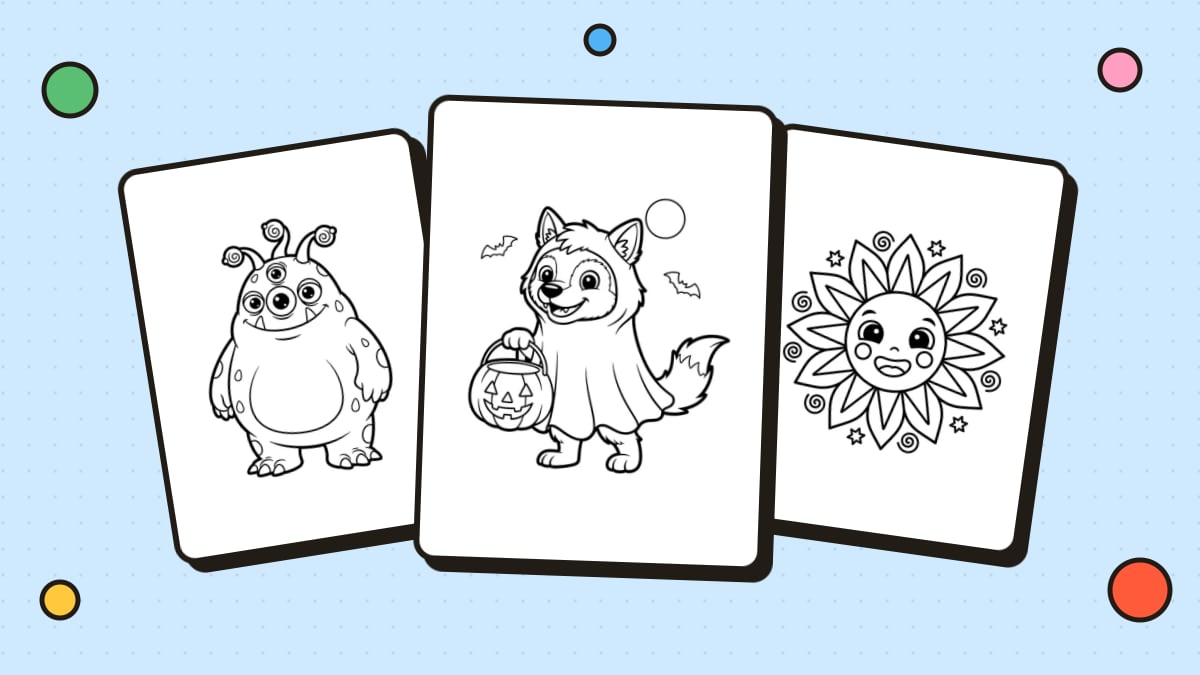
what colors make black
how to make black
how to make black paint
mixing black
chromatic black
Why mixing colors makes black
In paint, every color absorbs some light. When you combine colors that absorb different parts of the spectrum, together they absorb almost all of it, and what's left looks black. Complementary colors (opposites on the color wheel) cover each other's gaps, so they're the most effective pairs.
Mixes that make black
| Mix | What kind of black | Tip |
|---|---|---|
| Ultramarine blue + burnt umber (dark brown) | A deep, neutral black | A painter's favorite; easy to shift warm or cool |
| Red + yellow + blue (dark versions) | Near-black | Use the darkest red and blue you have |
| Dark green + dark red (e.g. phthalo green + crimson) | A very dark, slightly cool black | Strong colors; use little paint |
| Dark blue + dark orange or brown | Warm black | Good for shadows in skin and wood |
| Purple + dark yellow-brown | Soft black | Great for night skies |
Start with the darker color and add the other a little at a time. Test a small dab on paper: mixed blacks often look very dark in the jar and slightly colored when spread thin.
Warm and cool blacks
- Cool black: add a little more blue. Good for night skies, water and metal.
- Warm black: add a little more brown or red. Good for hair, fur and shadows in warm scenes.
- Neutral black: balance the two until you can't tell which way it leans.
Why use mixed black instead of tube black?
Black straight from the tube can make colors look flat or "dirty" when you mix it in. A mixed black contains color, so shadows look more natural. If you only have tube black, use it in small amounts, and remember that darkening a color with its complementary color often looks better (see what colors make brown for how complements work).
Black with crayons, markers and colored pencils
- Colored pencils: layer dark blue, dark brown and dark purple with firm pressure. It gives a deep, rich black that looks better than a single black pencil in large areas.
- Crayons: a black crayon is easiest. For a richer black, color dark blue first and then black on top.
- Markers: use a black marker for outlines, and a dark blue or purple underneath for large dark areas.
Our guide to how to color with colored pencils covers layering in more detail.
Black in light vs paint
On screens, black is simply the absence of light: the pixel is off. In paint, black comes from pigments absorbing almost all light. That's why you can't "mix" black on a screen the way you can with paint, and why white, not black, is what you get when you combine all colors of light.
Try it
Mixed black is great for night scenes. Try a page from our werewolf coloring pages or monster coloring pages, using a cool blue-black for the sky and a warm brown-black for fur.
Related Posts
Oct 13, 2026
Coloring Techniques: 9 Ways to Make Any Page Look Better
Nine simple coloring techniques for crayons, pencils and markers: layering, blending, shading, hatching, highlights and more, with tips for each tool.
Oct 17, 2026
What Colors Make Green? Mixing Light, Dark and Olive Green
What colors make green? Blue and yellow. How to mix light, dark, olive, mint and forest green with paint, crayons and colored pencils.
Oct 15, 2026
What Colors Make Brown? 4 Easy Ways to Mix Brown
What colors make brown? Mix red, yellow and blue, or two complementary colors. Four ways to mix brown, plus light and dark shades and crayon tips.