A brain break is a short pause, usually one to five minutes, where students move, breathe or play before going back to work. Teachers use them to reset attention between lessons, and they work best when they are quick, predictable and easy to start. Below are 30 brain breaks for kids, sorted by type, with notes on how long each takes and when to use it.
You don't need special supplies for most of these. A bit of floor space, a timer and a few seconds to explain the rules are enough.
You'll know it's time when students are:
- fidgeting, yawning or staring out the window
- having trouble starting a task
- getting frustrated or losing focus mid-lesson
- coming in from recess, lunch or a long assembly
Many teachers schedule a break every 20 to 30 minutes for younger students and a bit less often for older ones. Pick a rhythm that fits your class, and watch the room. If one break doesn't help, try another type. A wiggly class needs movement. An anxious or overstimulated class may need quiet.
- Stretch and reach. Reach up high, touch toes, twist side to side. Count ten seconds in each position.
- Animal moves. Call out an animal and everyone moves like it in place: bear stomp, bird flap, snake wiggle.
- Shake it out. Shake hands, arms, legs, then whole body for ten seconds. Freeze. Repeat.
- Jumping jacks or star jumps. Count to 10 or 20 together.
- Desk push-ups. Hands on the desk, step back and push in and out slowly.
- Chair yoga. Seated twist, cat-cow with the back, and overhead reach.
- Cross-body taps. Touch right hand to left knee, then left hand to right knee. Speed up slowly.
- Slow-motion move. Everyone does a task, like brushing teeth, in slow motion.
- Smell the flower, blow out the candle. Breathe in through the nose, out through the mouth, five times.
- Balloon breath. Hands cupped in front of the mouth as if holding a balloon. Breathe in as it grows and out as it shrinks.
- Box breathing. Breathe in for 4 counts, hold for 4, out for 4, hold for 4. Trace a square in the air with a finger.
- Hot chocolate breath. Pretend to hold a mug. Smell the chocolate (in), cool it down (out).
- Finger breathing. Trace the outline of one hand slowly with the other finger. Breathe in on the way up each finger and out on the way down.
- Five senses check-in. Name 5 things you see, 4 you hear, 3 you feel, 2 you smell and 1 you taste.
- Head down rest. Everyone puts their head on the desk for 60 seconds with soft music.
- Simon says. Works at every grade. Older students can lead.
- Would you rather. Ask a silly question and have students move to one side of the room to show their choice.
- Rock paper scissors tournament. Pair up, then winners stand and pair again.
- Mirror partners. One student moves slowly while the other copies like a mirror.
- Silent ball. Toss a soft ball around the room without talking. If someone drops it or speaks, they sit down.
- Guess the object. A student describes something without saying the name, and the class guesses.
- Count by pattern. Clap on multiples of 3, stomp on multiples of 5.
- Spot the change. One student leaves for a moment. Others change something about the room. The student returns and guesses.
- Doodle break. Give students a prompt, like "draw a creature with four eyes," and set a timer for three minutes.
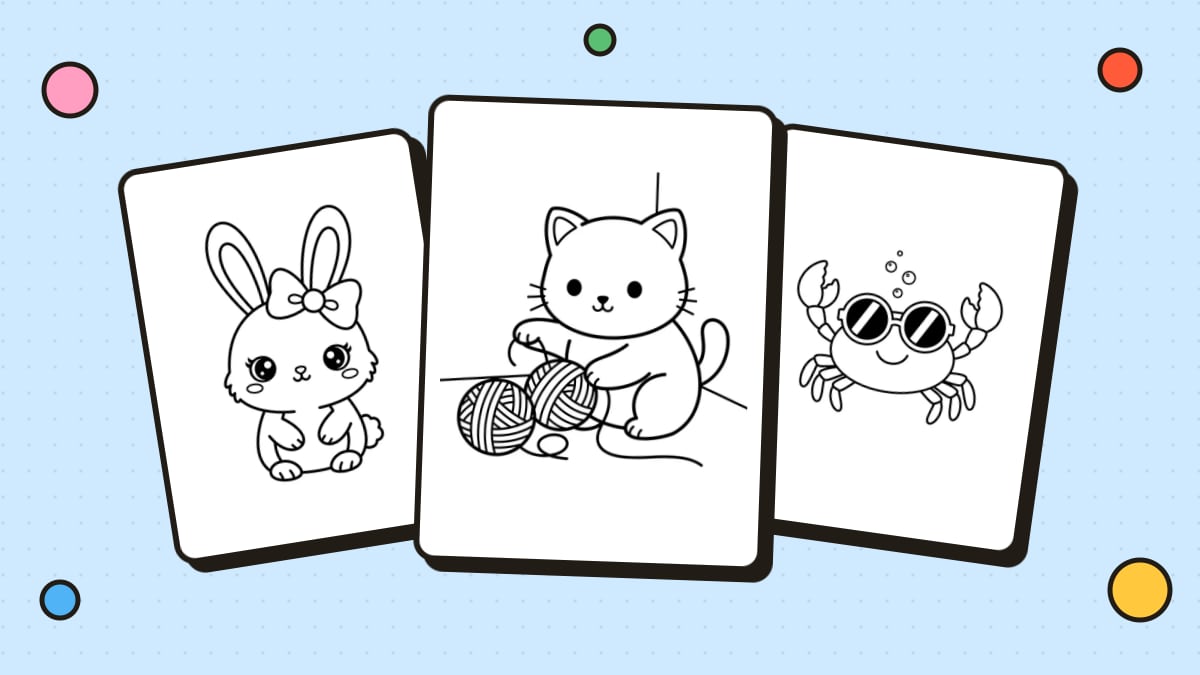
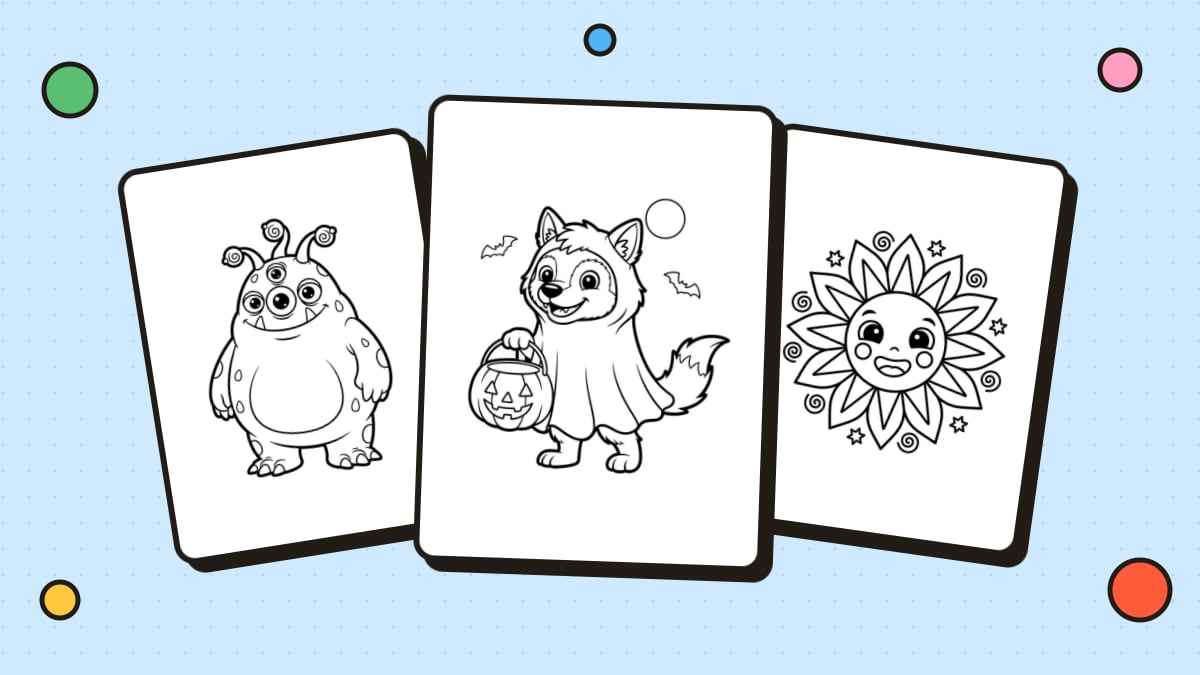
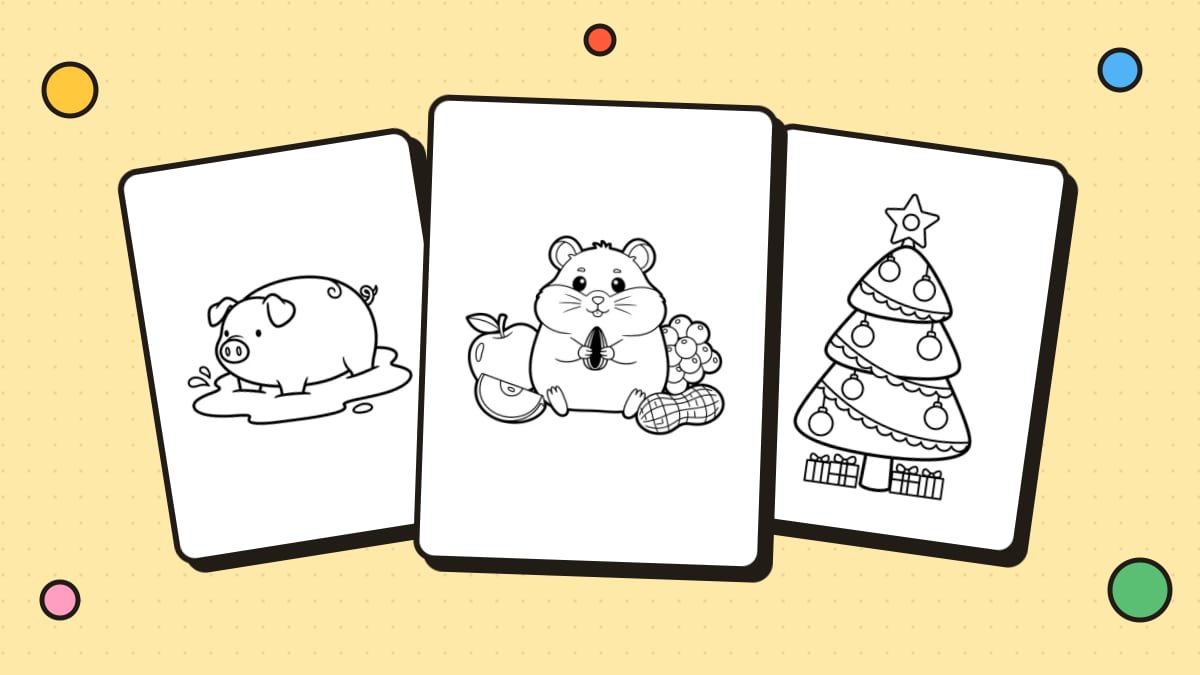
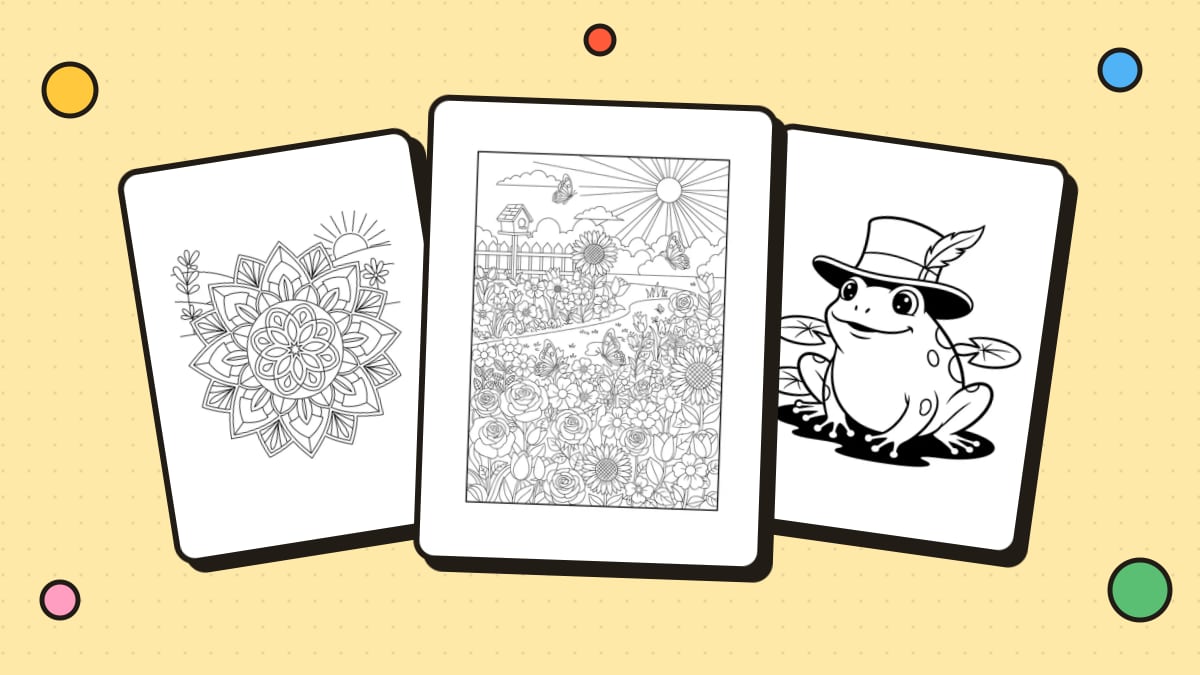
- Coloring break. A simple coloring page and a few pencils. Many teachers keep a stack of pages for early finishers or for a calm reset. You can print pages from our coloring pages or build a short set of mandalas with the mandala generator.
- Gratitude jot. Write or draw one thing you are glad about today.
- Silent drawing partners. Pass a paper around. Each student adds one line to a shared picture.
- Music and sketch. Play a calm song and draw whatever it makes you think of.
- Stand and stretch with a story. Read a short, calm paragraph aloud while students stretch slowly.
- Mindful minute. Sit quietly for one minute, noticing sounds in the room.
| Grade | What works best |
|---|
| Pre-K and kindergarten | Animal moves, songs with motions, balloon breath, freeze dance |
| Grades 1 and 2 | Simon says, shake it out, silent ball, short coloring breaks |
| Grades 3 to 5 | Would you rather, cross-body taps, box breathing, mirror partners |
| Middle school | Chair yoga, doodle breaks, quiet check-ins, stretching with music |
Older students may roll their eyes at anything that feels babyish. Offer choices and keep the tone matter-of-fact.
- Teach the routine first. Practice a few breaks at the start of the year so the class knows how to start and stop quickly.
- Use a timer or a signal. A chime, a countdown or a song keeps breaks from stretching out.
- Let students choose sometimes. A choice board with four options gives them control.
- Plan for transitions. The end of a break is the hard part. Use a calm closer, like three slow breaths, before you start the next lesson.
- Make them inclusive. Offer seated versions of movement breaks and let students sit out or watch if they need to.
- Don't use breaks as a reward or a punishment. They are part of the day, like water and lunch.
| Time | Break |
|---|
| After morning arrival | Shake it out (1 minute) |
| Before math | Cross-body taps (2 minutes) |
| After lunch or recess | Box breathing (2 minutes) |
| Mid-afternoon dip | Animal moves or a short game (3 minutes) |
| End of day | Quiet doodle or coloring (4 minutes) |
A small basket of printed coloring pages, a cup of pencils and a short list of rules ("quiet, stay at your desk, put it back when done") gives students something calm to do when a task is finished or when they need a reset. Try themed sets that match what you are teaching, such as animal coloring pages or flower coloring pages, and swap them each week.
For more about why quiet coloring can help students settle, see benefits of coloring. If you are planning a celebration day, our guide to the 100th day of school ideas has games and crafts. For more hand-based activities, see fine motor activities.