preschool activities
preschool activities at home
activities for 3 year olds
activities for 4 year olds
preschool learning activities
Good preschool activities are short, hands-on and a little playful. Children aged 3 to 5 learn best by touching, sorting, moving and talking, not by sitting through a worksheet. The 40 ideas below are grouped by skill (language, math, hands-on art and fine motor, and movement), and most use things you already have at home or in the classroom.
A quick note on expectations: every child develops on a different schedule. Use the ages here as a loose guide, and if you have a specific worry about development, talk to your child's teacher or doctor.
- Keep each one short. Ten to fifteen minutes is plenty for most 3-year-olds. Five-year-olds may go twenty or more if they are interested.
- Follow interest. If your child loves trucks, count trucks, color trucks and sort trucks.
- Talk while you do it. Narrating what you see ("You put the big red block on top") builds vocabulary without any extra effort.
- Stay close with small items. Beads, buttons and pom-poms are choking hazards for children under three, and some preschoolers still mouth objects. Watch them, and choose larger pieces if in doubt.
- Name hunt. Write your child's name on a card. Find the same letters in cereal boxes, signs and books.
- Letter sounds scavenger hunt. Pick a sound, like "buh," and find objects that start with it.
- Story retelling. After reading a picture book, ask your child to tell it back using the pictures.
- Rhyming game. Say a word and take turns thinking of words that sound like it, even silly ones.
- Sound blending with puppets. A puppet says a word slowly ("c-a-t") and your child guesses it.
- Make a picture dictionary. Draw one object per page and write the word underneath.
- Alphabet dough. Roll play dough into ropes and shape letters.
- Sign making. Make a "Welcome" sign for the fridge or a "Closed" sign for a pretend shop.
- Describe and guess. Hide an object in a bag. The child feels it and describes it while you guess.
- Draw a story. Fold a paper into three boxes: beginning, middle, end.
For letter practice that feels like play, a coloring page of a letter or a child's own name works well. The name coloring page generator makes a page with a child's name in outline letters to color in.
- Counting with snacks. Count raisins or crackers into a bowl, one number at a time.
- Number hunt. Find numbers on a calendar, a clock, a door or a license plate.
- Sorting by one rule. Sort buttons, blocks or toy animals by color, then by size.
- Patterns. Make a repeating pattern with blocks or beads: red, blue, red, blue. Ask what comes next.
- Shape walk. Find circles, squares and triangles around the house or neighborhood.
- Measuring with blocks. How many blocks long is the couch? The book? A shoe?
- More or less. Put two piles of objects on a tray and ask which has more.
- Matching socks. A real-life matching game.
- Simple puzzles. Start with 4 to 12 pieces and add more as it gets easy.
- Heavy and light. Collect objects and guess which is heavier before using a homemade balance (a hanger with a cup on each end).
Small hand movements like pinching, cutting and tracing help with later writing. See our guide to fine motor activities for more.
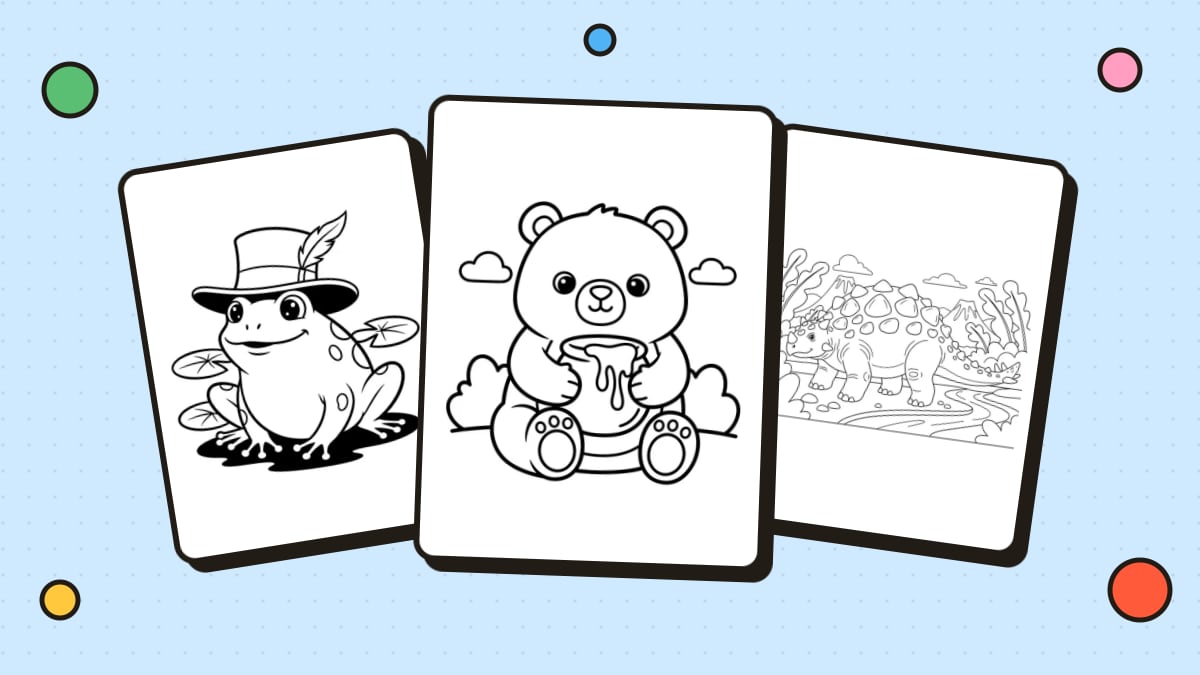
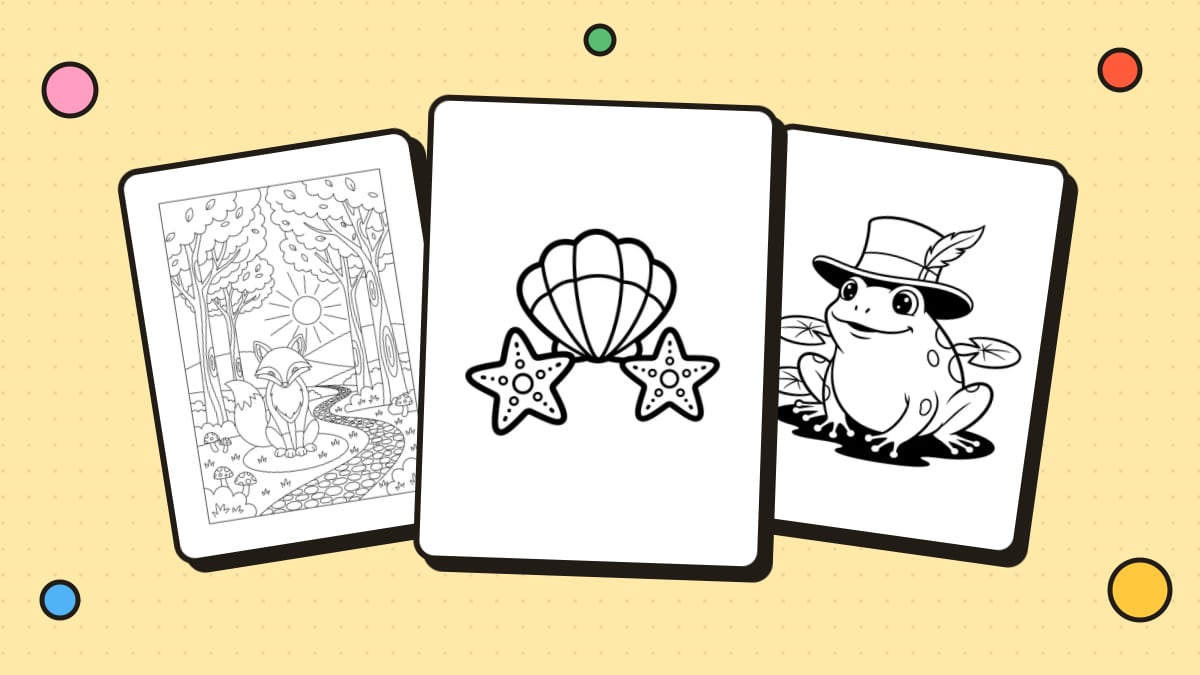
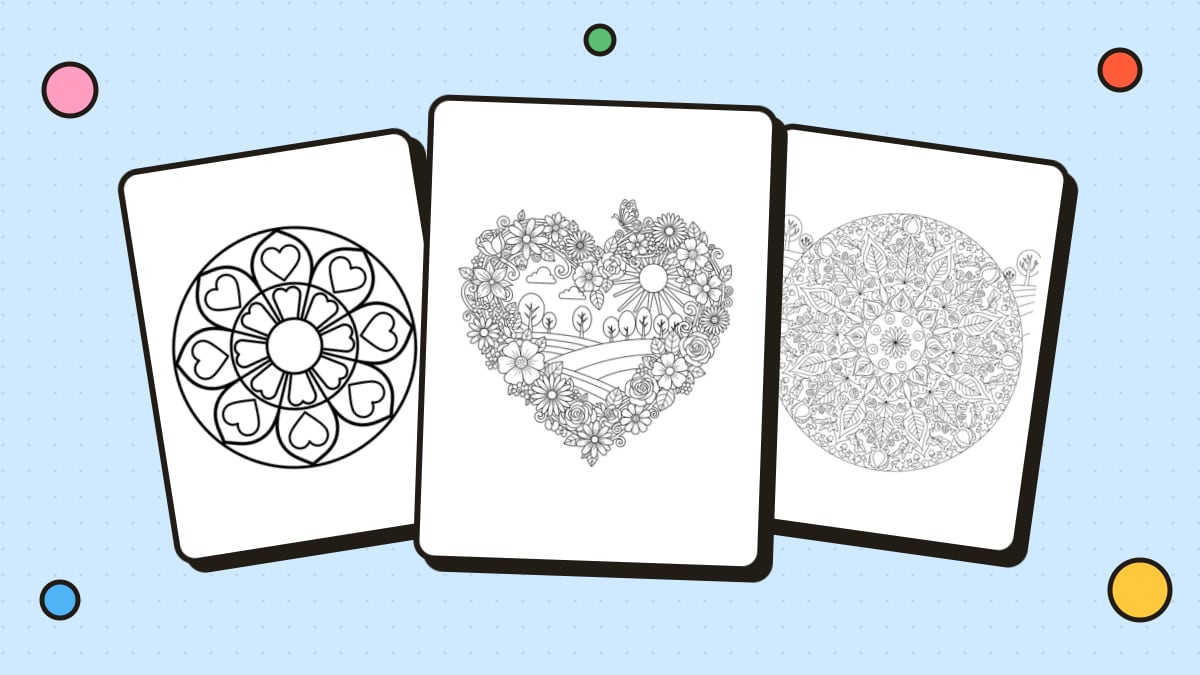
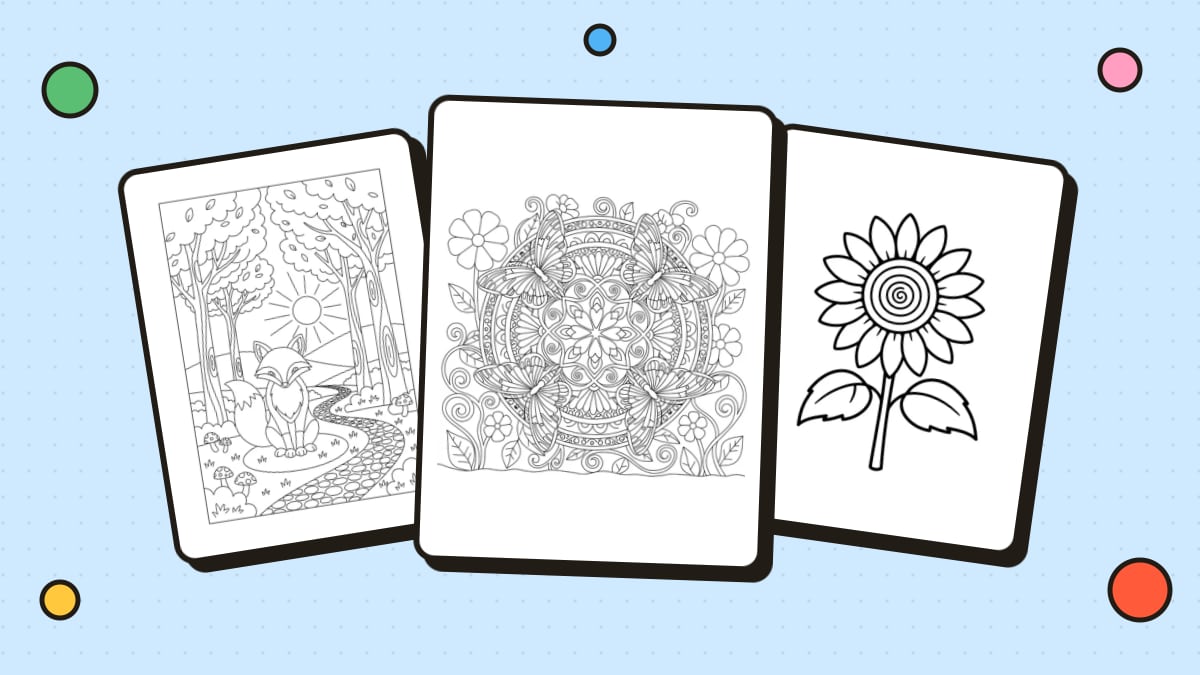
- Coloring pages. Offer thick crayons or short pencils. Let your child choose the colors, and don't worry about staying in the lines. Our coloring pages by theme are an easy place to start.
- Play dough. Roll, pinch, squish and cut with plastic knives.
- Tearing paper collage. Tear colored paper into pieces and glue them into a picture.
- Finger painting. On a tray or a big sheet of paper, with washable paint.
- Cutting practice. Start with snipping straight lines on a strip of paper, then curves, then simple shapes.
- Sticker pictures. Peeling and placing stickers is good finger practice.
- Threading. Large pasta tubes or big beads on a shoelace, with adult supervision.
- Tweezers or tongs transfer. Move pom-poms from one bowl to another.
- Handprint animals. Trace a hand and turn it into a turkey, a bird or a tree.
- Easy paper crafts. Folded paper hats, paper plate faces, and paper chains. More ideas are in paper crafts for kids and easy crafts for kids.
- Animal walks. Waddle like a penguin, hop like a frog, stomp like an elephant.
- Obstacle course. Crawl under a table, step over a pillow, balance on a line of tape.
- Freeze dance. Dance to music and freeze when it stops.
- Bean bag toss. Toss a rolled sock into a laundry basket.
- Follow the leader. Take turns being the leader and picking the movements.
- Simon says. A good game for listening and body awareness.
- Red light, green light. Practice stopping and starting.
- Pretend play. Restaurant, shop, doctor's office or construction site.
- Helping jobs. Watering plants, setting napkins, matching laundry. Preschoolers love being useful.
- Calm-down corner. A pillow, a few books and a picture of deep breaths ("smell the flower, blow out the candle").
You don't need a rigid routine, but a predictable rhythm helps young kids feel secure. A sample morning:
| Time | Activity type |
|---|
| 9:00 | Free play |
| 9:30 | Circle time: story, songs, calendar |
| 10:00 | Art or sensory activity |
| 10:30 | Snack |
| 11:00 | Outdoor or movement time |
| 11:45 | Quiet reading or coloring before lunch |
If you teach a class, the same order works for a half-day: alternate calm and active, and keep transitions short with a song or a countdown.
| Prep | Ideas |
|---|
| None | Rhyming game, I spy, animal walks, story retelling |
| 5 minutes | Sorting buttons, painter's tape shapes, play dough |
| 15 minutes | Sensory bin, collage supplies, printable coloring pages |
| Prep ahead | Alphabet cards, matching games, a name puzzle |
Coloring is a classic for a reason. It builds grip strength, hand control and focus, and it gives your child a quiet, enjoyable task. At this age, scribbling is just fine, and dark thick lines are easier to color than thin detailed ones. For fun, pick a topic your child loves, such as dinosaur coloring pages, flower coloring pages or shark coloring pages.
You can also make a page about a specific interest with the AI coloring page generator. Generating uses credits, so many parents use it for special occasions or a favorite theme. For more on why coloring is a good habit, read benefits of coloring.
Looking for ideas for younger siblings? See activities for toddlers. For weather-related days, try rainy day activities for kids.