Face Coloring Pages
Faces are the first thing babies learn to recognize and the first thing most kids try to draw. These face coloring pages give them plenty to work with: blank faces waiting for eyes and a mouth, portraits of children, parents and grandparents, funny faces pulling expressions and a sheet for labeling the parts of the face.
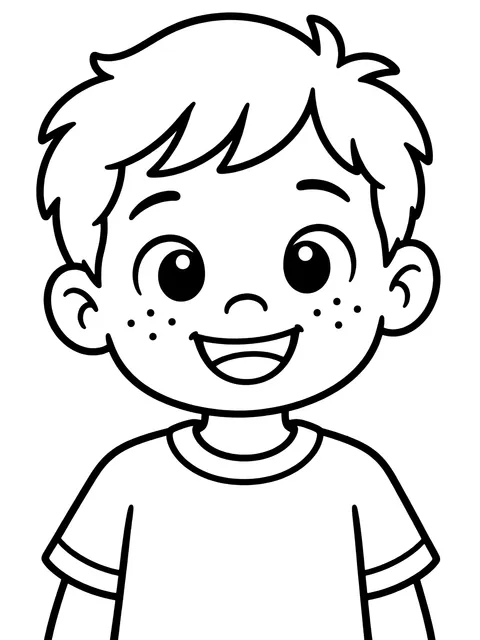 Smiling kid with frecklesEasy
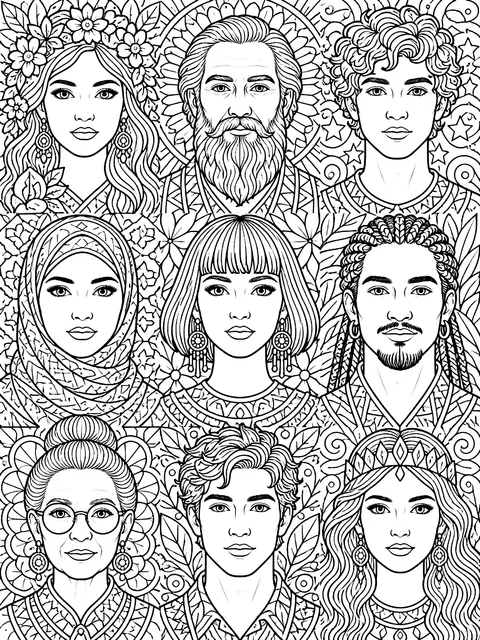 Page of twelve different facesDetailed
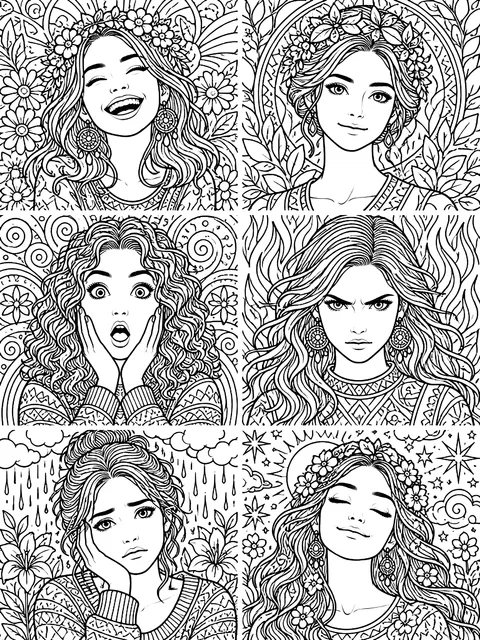 Six expressions on one sheetDetailed
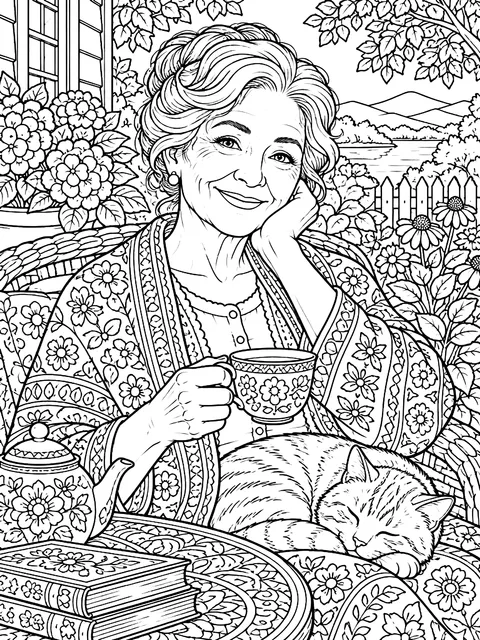 Grandmother with laugh linesDetailed
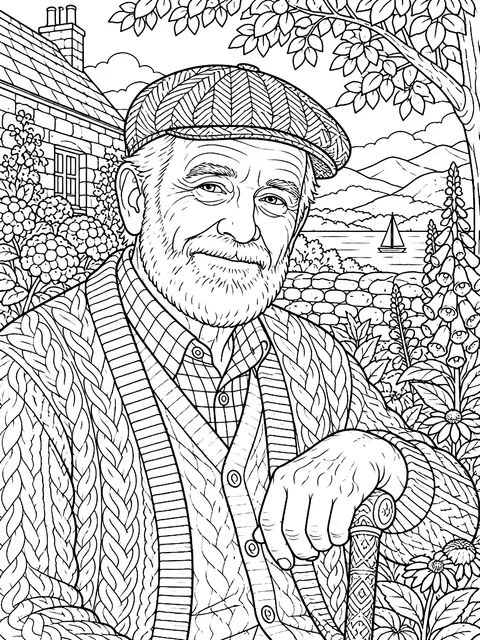 Grandfather with a flat capDetailed
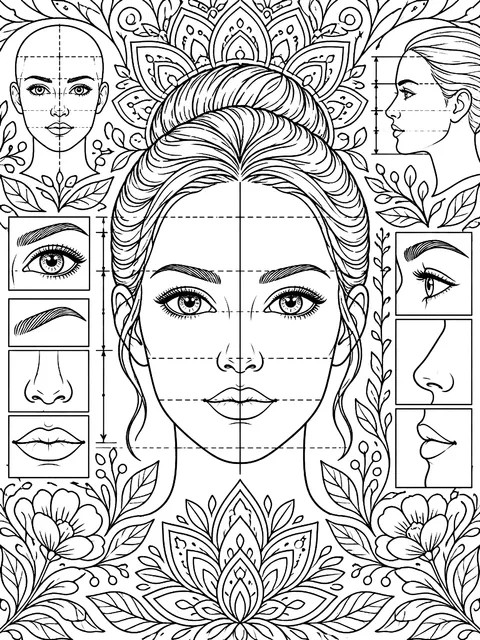 Face proportions guideDetailed
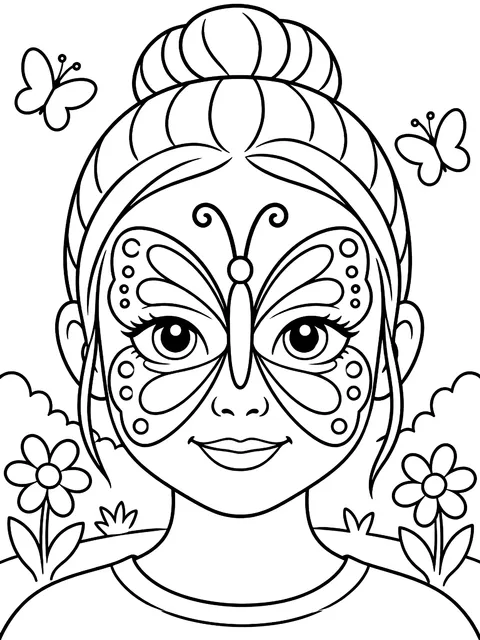 Butterfly face paint designMedium
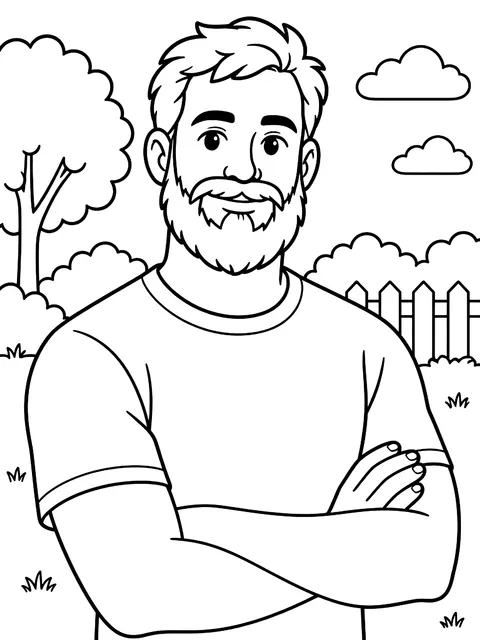 Dad with a beardMedium
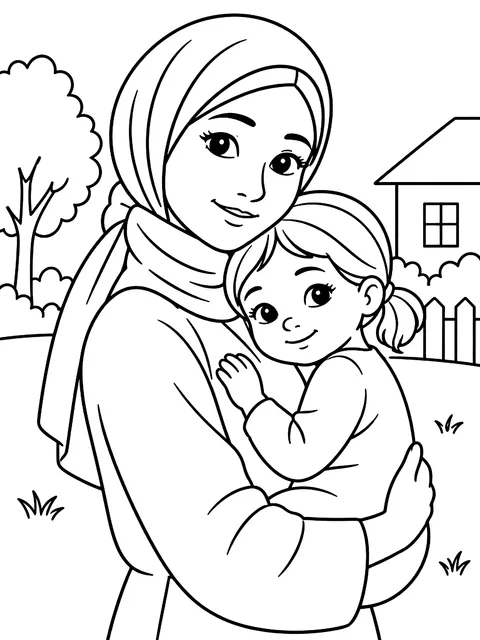 Mom with a headscarfMedium
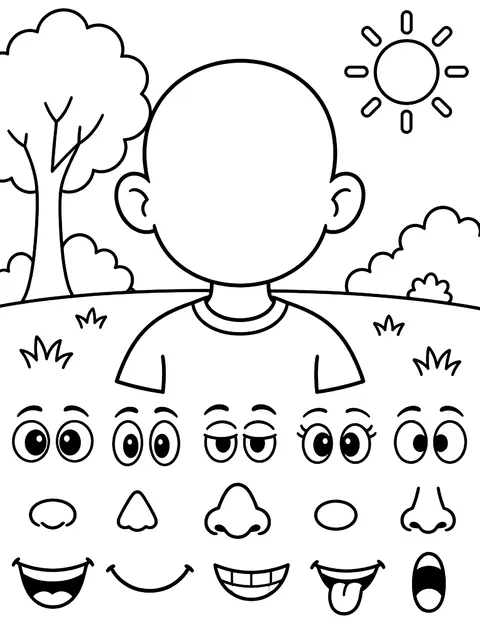 Mix-and-match eyes, noses and mouthsMedium
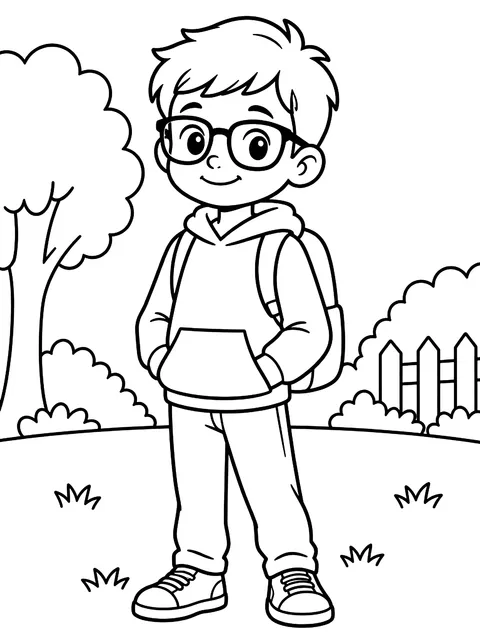 Kid with glassesMedium
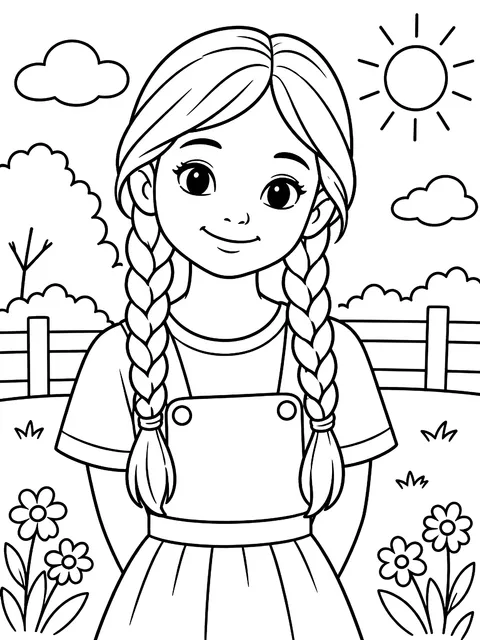 Girl with braidsMedium
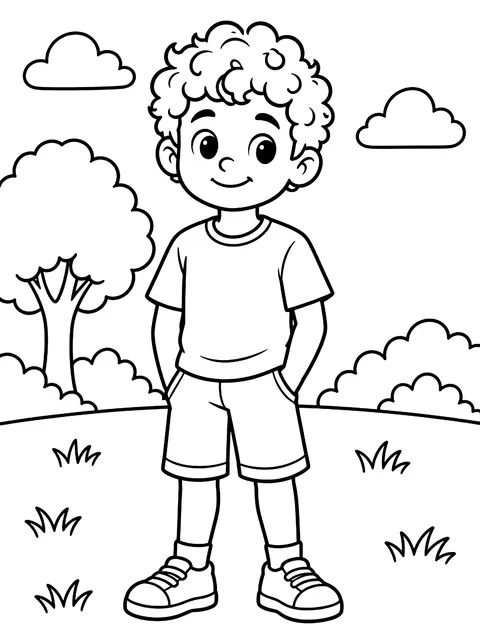 Boy with curly hairMedium
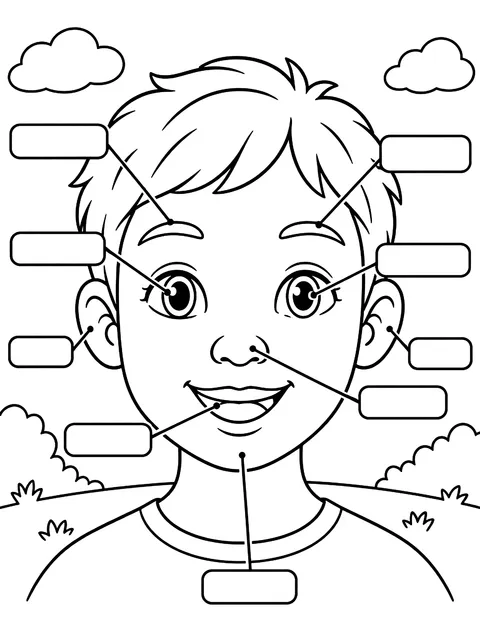 Parts of the face to labelMedium
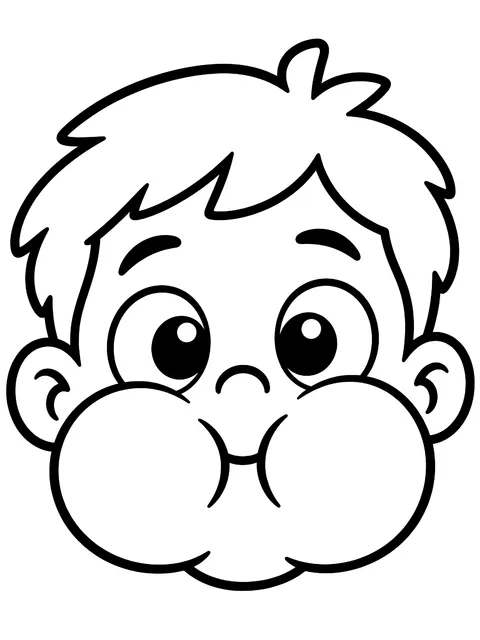 Funny face with puffed cheeksEasy
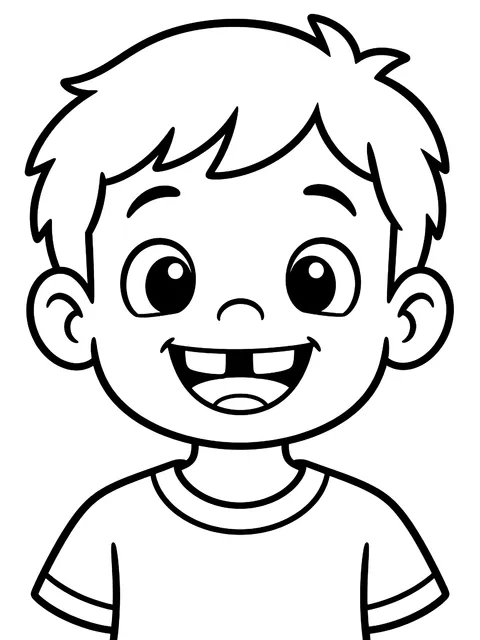 Kid with a missing front toothEasy
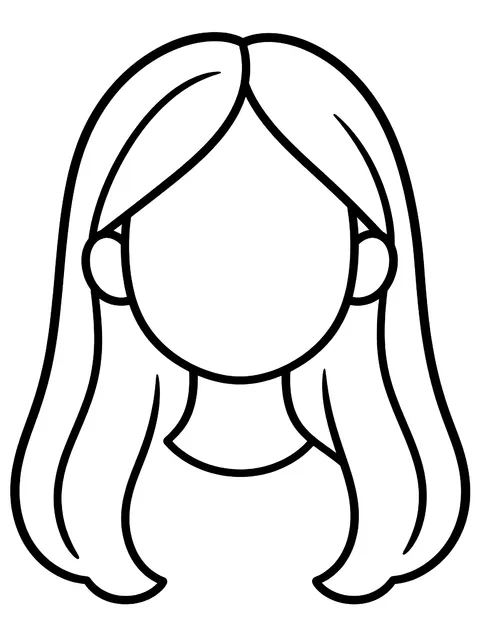 Blank face with long hairEasy
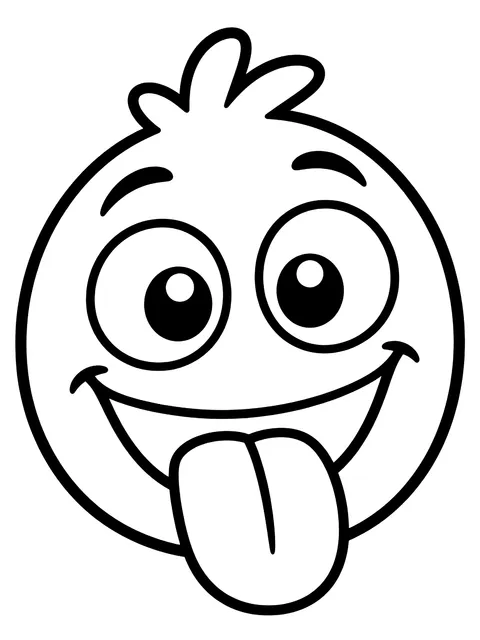 Funny face with tongue outEasy
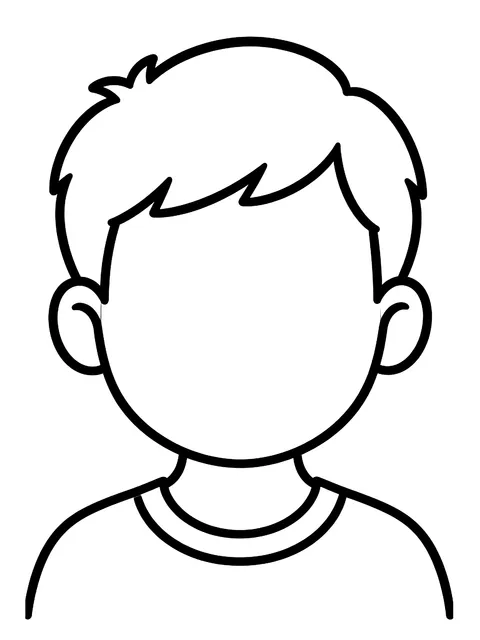 Blank face with short hairEasy
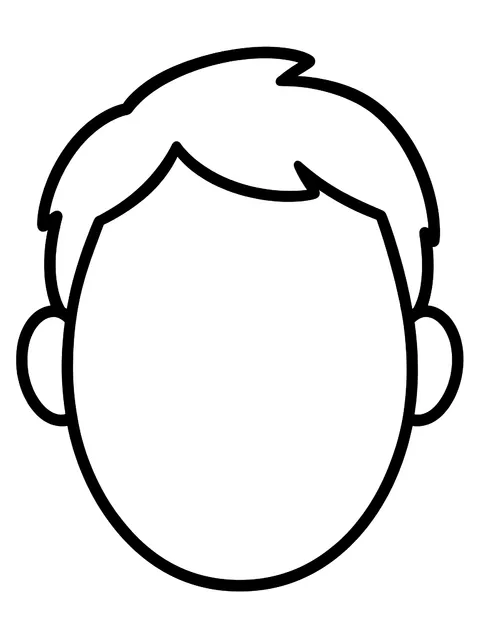 Blank oval faceEasy
Face pictures to color
- Blank faces: head outlines with short or long hair but no features, and an empty oval for a full self-portrait
- Kids' faces: children with freckles, a missing front tooth, braids, curls and glasses
- Grown-up faces: a dad with a beard, a mom with a headscarf and grandparents with laugh lines
- Funny faces: tongue out and cheeks puffed
- Parts of the face: eyes, eyebrows, nose, mouth, ears, chin, cheeks and forehead to label
- Mix-and-match features: a sheet of eyes, noses and mouths to cut out and glue onto a blank head
- Proportions guide: a head with light guidelines showing where each feature goes
- Face paint: a butterfly design drawn across a child's cheeks and forehead
Where the features go
Most children draw eyes near the top of the head. A few simple proportions fix that, and the guide page shows them with light lines.
- Eyes sit halfway down the head. Measure from the top of the skull, not the hairline, to the chin. The eyes are on the middle line.
- One eye fits between the eyes. The gap between them is about the width of one eye.
- The bottom of the nose is about halfway between the eyes and the chin.
- The mouth sits about a third of the way from the nose to the chin.
- Ears run from the eyebrow line to the bottom of the nose.
These are averages for an adult. Young children have larger foreheads and smaller chins, so their features sit a little lower.
Activities with face coloring pages
Self-portrait. Give each child a mirror and a blank face. Ask them to look closely: What shape are your eyebrows? Where does your hair fall? Then they color skin, hair and eyes to match. Offer skin-tone crayons so everyone finds their own shade.
Parts of the face. In preschool, speech therapy and English lessons, point to each part on the page, name it and have the child color it. Then find it on their own face.
Expressions. Use the funny faces to talk about how eyebrows and mouths change. For a full set of feelings, see our emotions coloring pages.
Coloring skin. Start with a light base layer across the whole face. Add a slightly darker tone under the cheekbones, along the sides of the nose and under the chin. A touch of pink or red on the cheeks, nose and ears warms up any skin tone.
Frequently asked questions
Are these face coloring pages free?
Yes. All face coloring pages are free to download and print for personal and classroom use.
Do you have a blank face coloring page?
Yes. There are blank heads with short and long hair and a plain oval with no hair, so children can draw every feature themselves.
Can I turn a photo into a face coloring page?
Yes. Upload a close-up portrait to Photo to Coloring Page. Choose a photo taken in even light, looking at the camera, with the whole head in the frame.
What age are these coloring pages of faces for?
Blank and funny faces work from age 3. The labeled parts page fits preschool and kindergarten. Portraits with more detail suit ages 8 and up, including adults practicing shading.