Anatomy Coloring Pages
Students have used coloring to learn the body for decades, because giving each structure its own color forces you to see where it starts and stops. These anatomy coloring pages cover the major systems: skeleton, muscles, heart and blood vessels, lungs, brain and digestive tract, plus close-ups of the ear, a tooth, the skin and a nerve cell. Simple versions suit elementary science, and labeled diagrams suit middle school, high school and first-year nursing or anatomy courses.
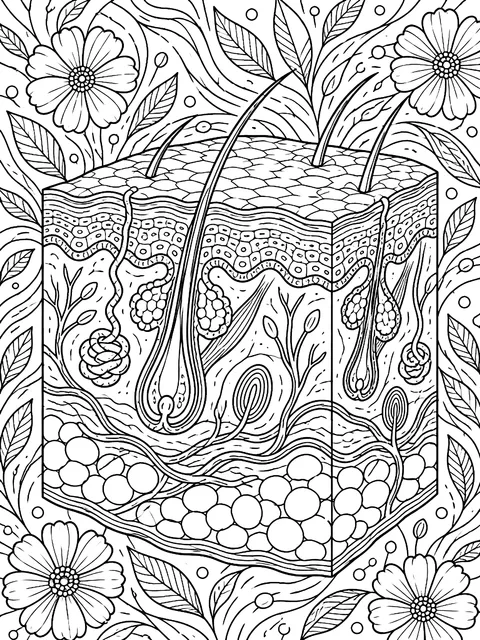 Layers of the skinDetailed
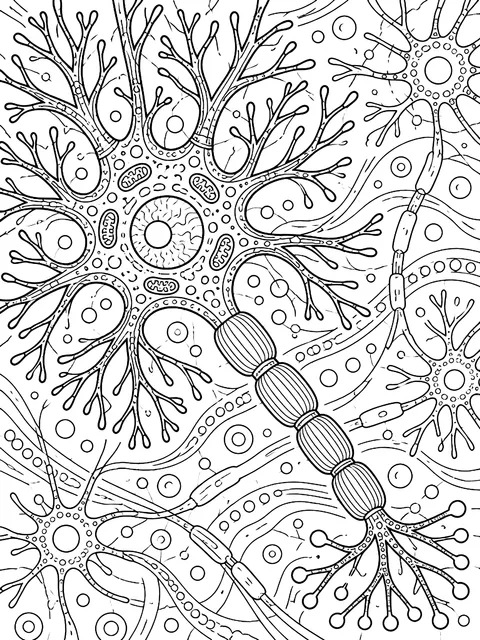 Nerve cell diagramDetailed
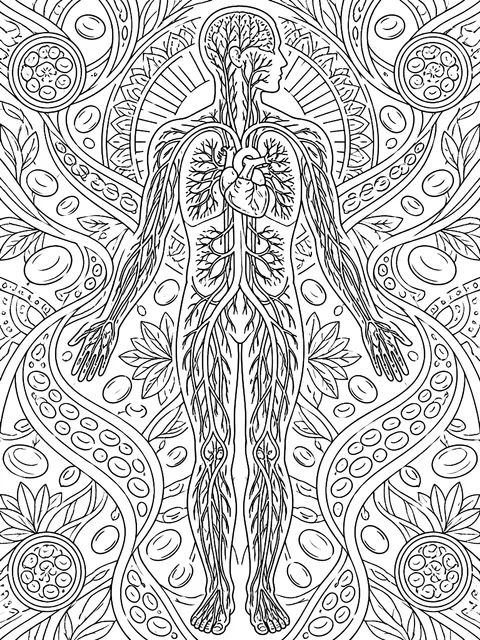 Circulatory systemDetailed
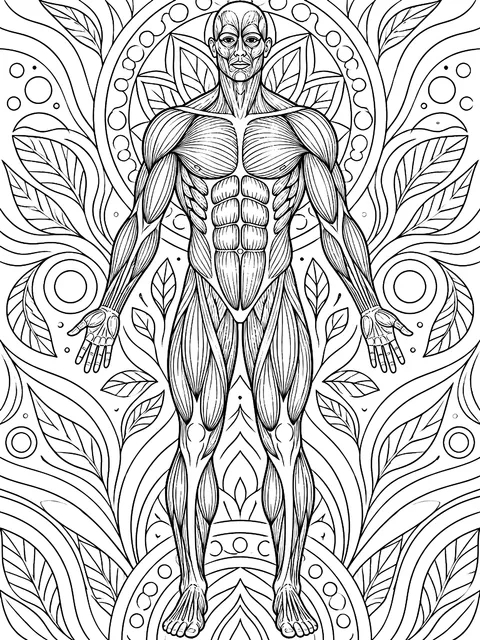 Major muscles front viewDetailed
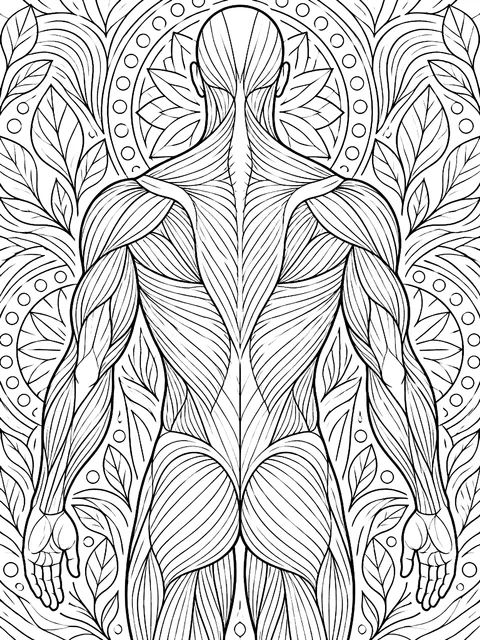 Major muscles back viewDetailed
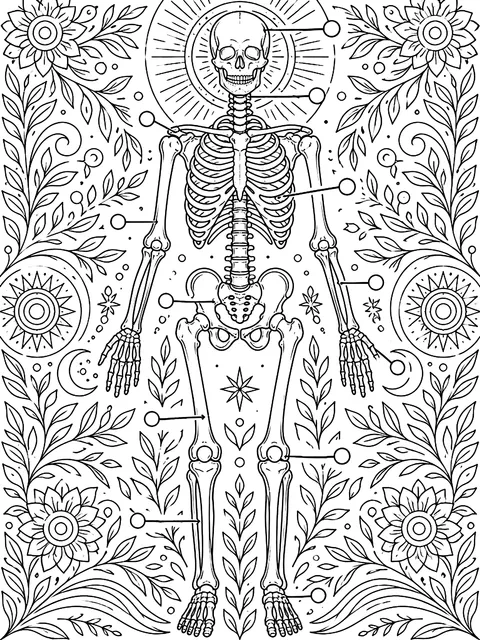 Full labeled skeletonDetailed
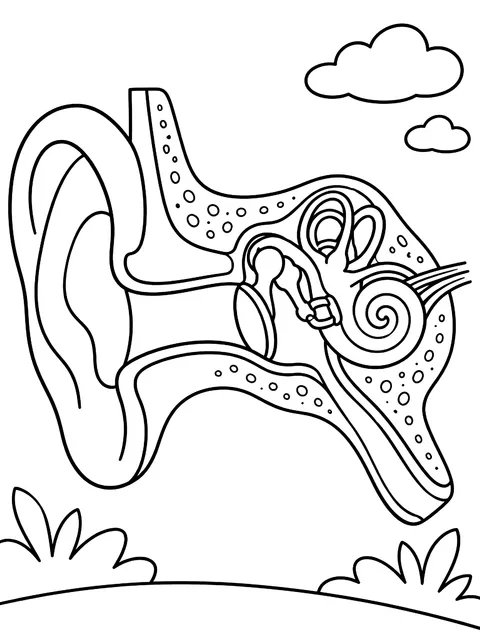 Ear cross-sectionMedium
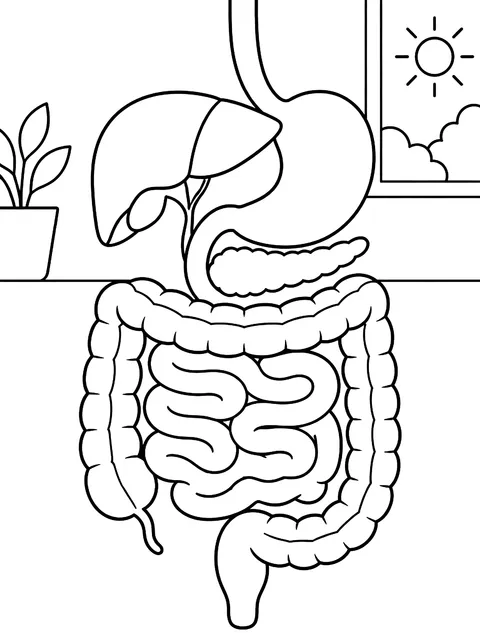 Digestive systemMedium
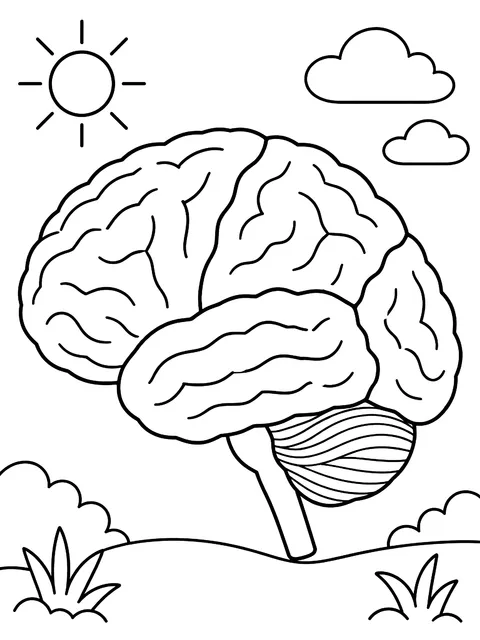 Brain lobes diagramMedium
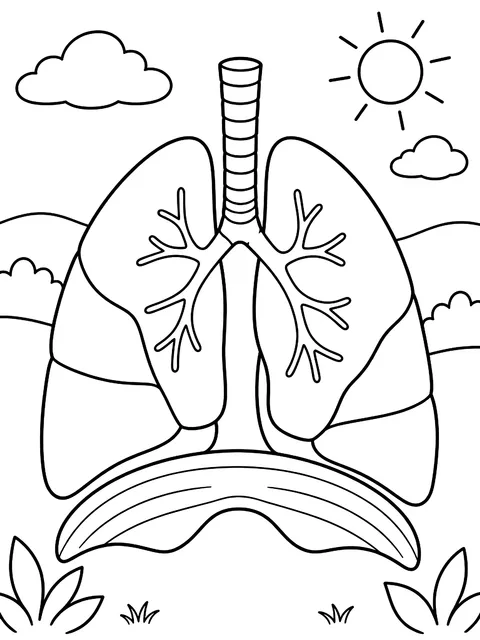 Lungs with lobes and diaphragmMedium
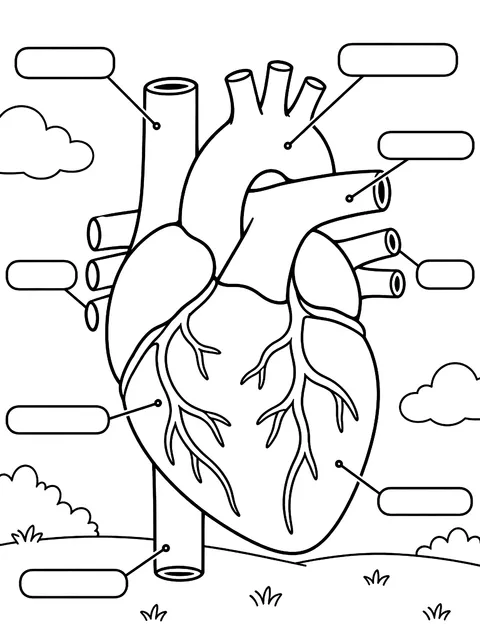 Labeled heart with vesselsMedium
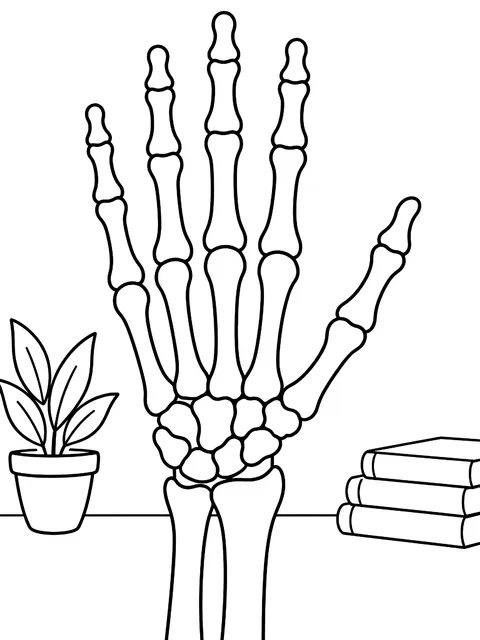 Bones of the handMedium
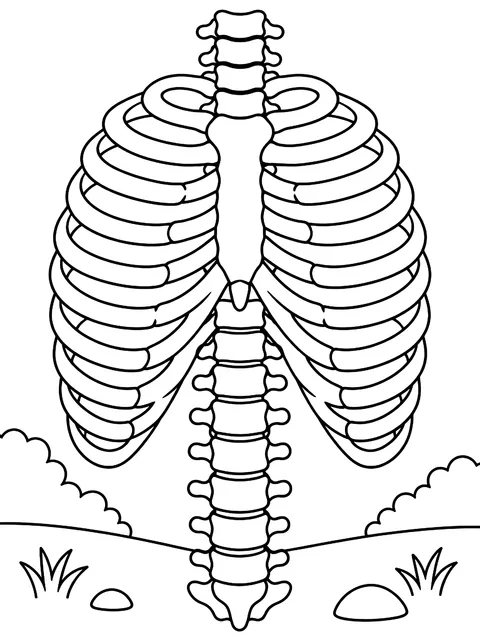 Rib cage and spineMedium
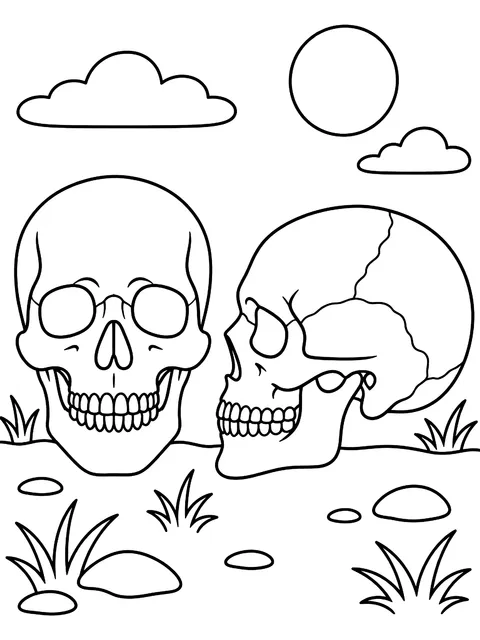 Skull front and sideMedium
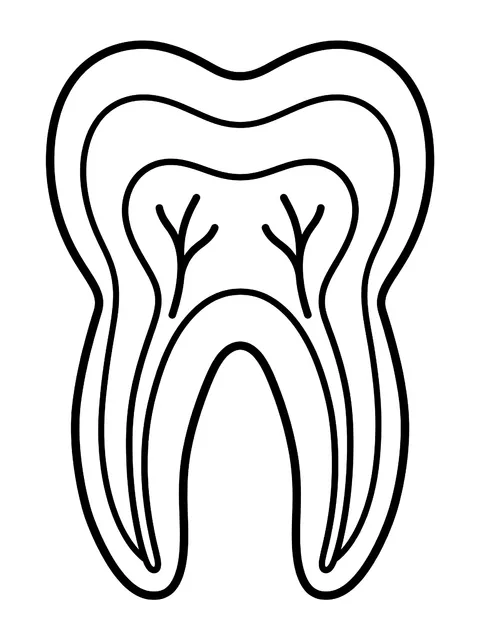 Tooth cross-sectionEasy
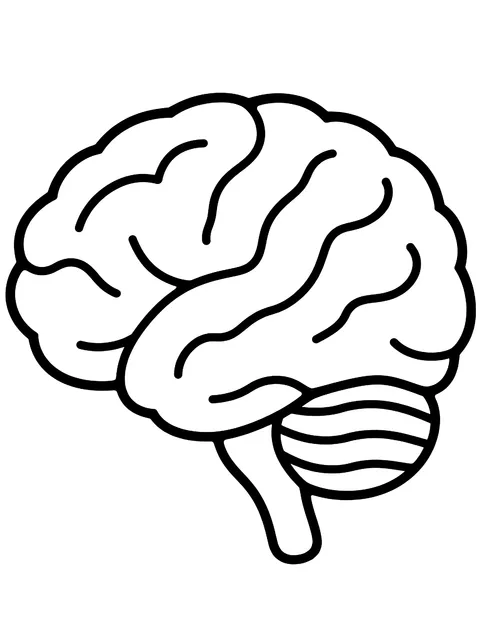 Brain side viewEasy
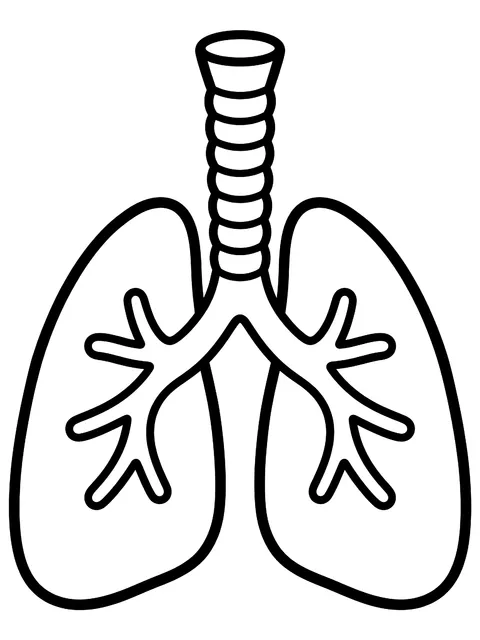 Lungs and windpipeEasy
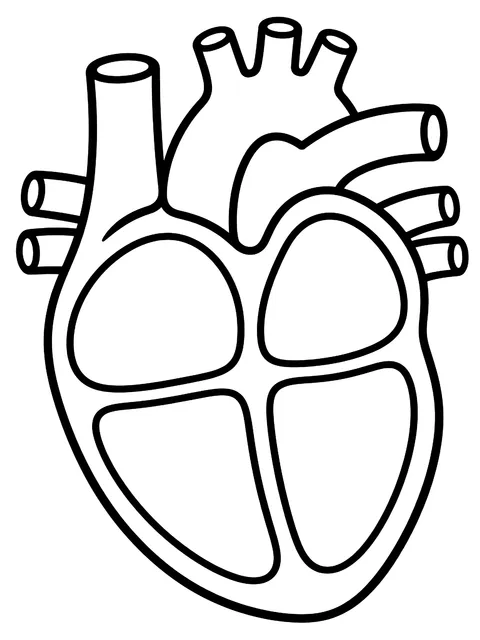 Heart outline with four chambersEasy
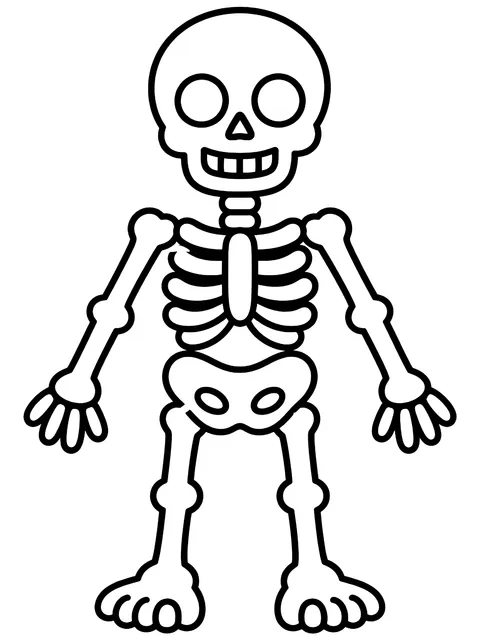 Simple skeleton front viewEasy
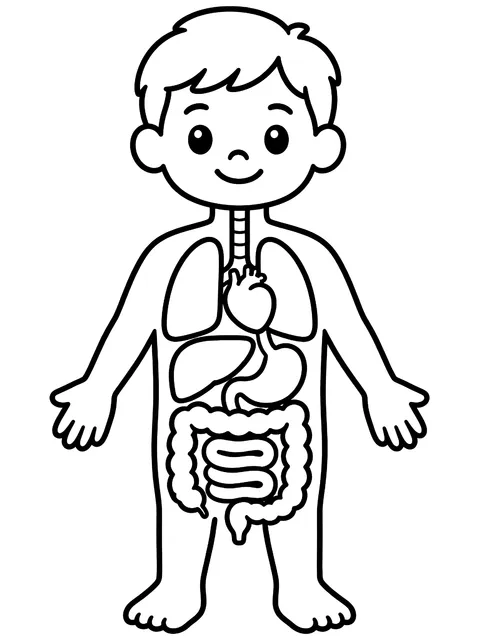 Simple body outline with main organsEasy
Anatomy coloring sheets by body system
- Skeleton: a full front view, the skull, the rib cage and spine, and the bones of the hand
- Muscles: front and back views of the major muscle groups
- Heart and circulation: the four chambers of the heart and the main arteries and veins
- Lungs: the windpipe, the lobes of each lung and the diaphragm underneath
- Brain: the four lobes of the cerebrum, the cerebellum and the brainstem
- Digestive system: the path from mouth to stomach to intestines, with the liver, gallbladder and pancreas
- Small structures: cross-sections of the ear, a tooth and the skin, and a single nerve cell
- First body page: a simple outline with the main organs in place, for younger grades
Facts and labels for the main diagrams
Skeleton. An adult has 206 bones. The longest is the femur in the thigh, and the smallest is the stapes in the middle ear. The spine is made of 33 vertebrae: 7 cervical, 12 thoracic, 5 lumbar, 5 fused into the sacrum and 4 fused into the coccyx. There are 12 pairs of ribs.
Heart. Four chambers: right atrium, right ventricle, left atrium and left ventricle. The right side sends blood to the lungs, and the left side sends it to the rest of the body. By convention, diagrams show oxygen-rich blood in red and oxygen-poor blood in blue.
Lungs. The right lung has three lobes and the left has two, which leaves room for the heart.
Brain. The cerebrum has four lobes: frontal, parietal, temporal and occipital. The cerebellum sits underneath at the back and helps with balance and coordination. The brainstem connects to the spinal cord.
Digestive tract. Mouth, esophagus, stomach, small intestine, large intestine. The liver, gallbladder and pancreas add fluids that help break food down.
Skin. Three layers: epidermis, dermis and the fatty hypodermis.
How to study with anatomy coloring pages
Choose a color for each structure and write its name in the same color in the key. Color the structure, say the name aloud, then cover the labels and test yourself. Colored pencils are the best tool, since small vessels and nerves need a sharp point. Keep one color for the same structure on every page, such as yellow for nerves, so the systems connect as you go.
These pages are learning aids. They aren't medical advice.
Frequently asked questions
Are these anatomy coloring pages free?
Yes. All anatomy coloring pages are free to download and print for personal and classroom use.
Can I use these as a coloring book for anatomy class?
Yes. Print the systems you need and staple them in the order of your syllabus. Teachers can copy them for a whole class.
What level are the anatomy coloring sheets?
The simple body outline and skeleton suit grades 2 to 5. Labeled diagrams of the heart, brain and digestive system fit middle and high school biology.
Which colors should I use for anatomy coloring?
Follow the common conventions where they exist: red for arteries, blue for veins, yellow for nerves. For bones, muscles and organs, pick any colors that contrast with their neighbors.