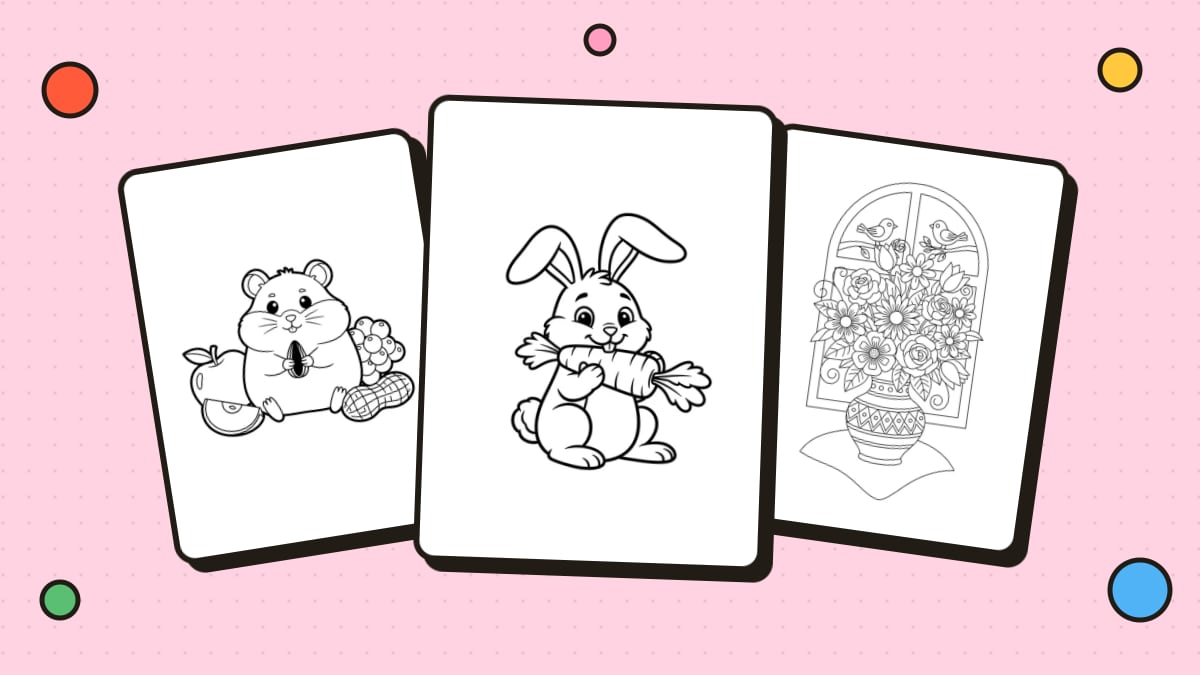
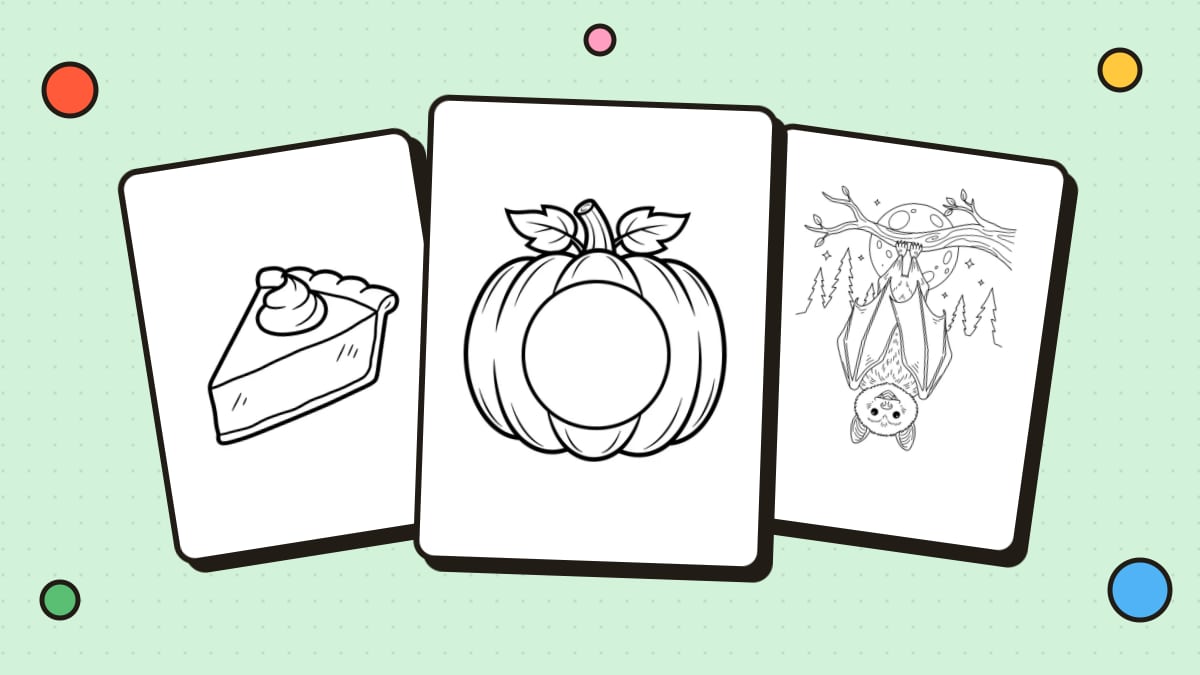
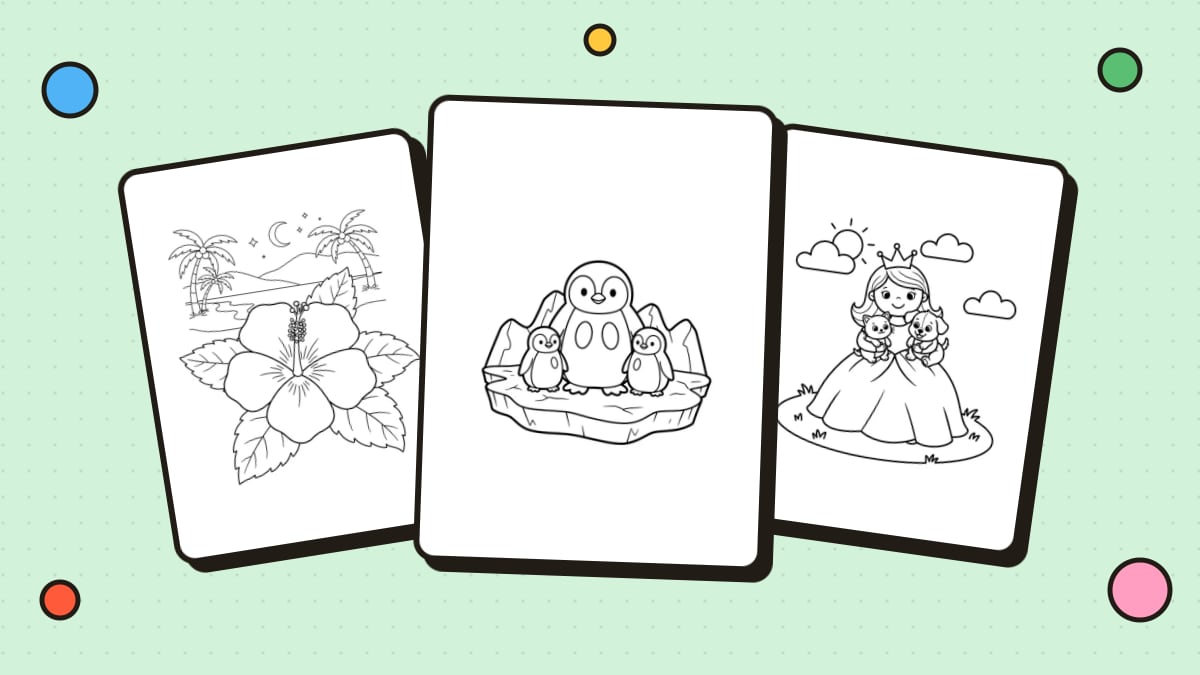
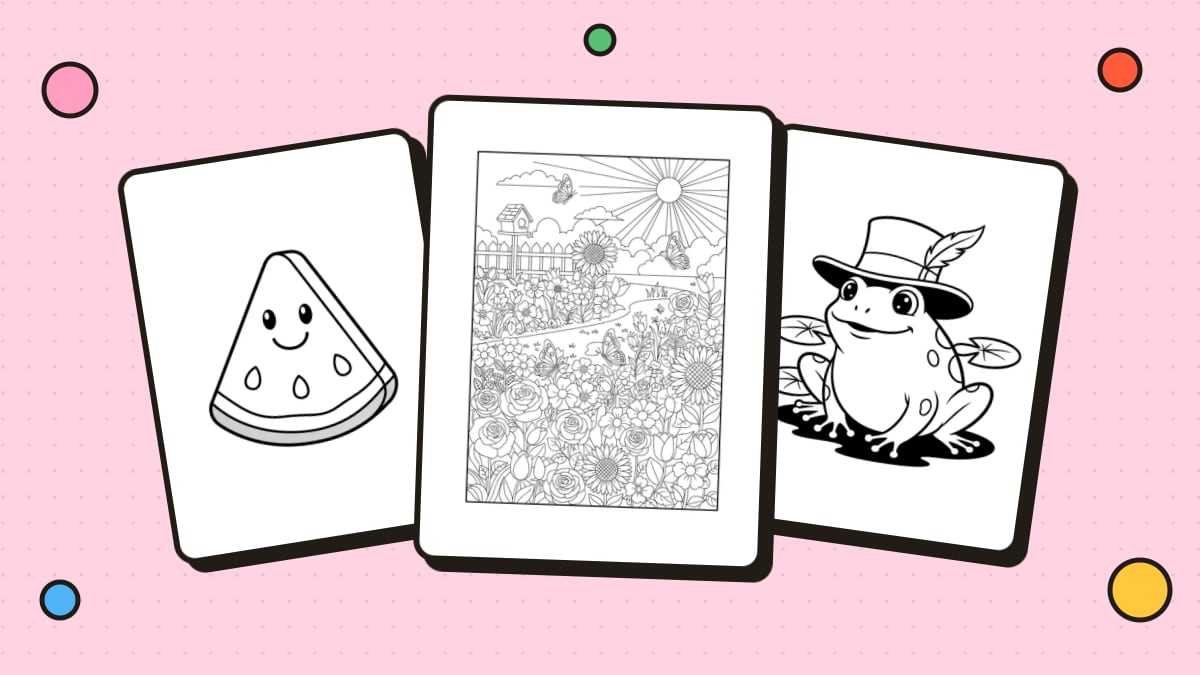
A name coloring page is a page with a child's name in big, hollow letters, usually surrounded by pictures to color. It is a small thing, and kids like it far more than a plain worksheet, because it is theirs.
Teachers use them in the first week of school, parents print them for birthday parties, and preschoolers use them to learn the shapes of their own letters. Below are 15 ways to use them, followed by practical notes on printing, letter styles and paper. If you want to skip ahead and make one, the free name coloring page generator takes a name and gives you a printable page with no sign-up.
Most children recognize their own name before any other word. That makes it a friendly starting point for early literacy. Coloring the letters of a name also practices the same hand control a child needs for writing: staying inside a line, changing direction and holding a grip for a few minutes. Our guide to fine motor activities has more simple ideas along those lines.
There is also a practical reason. A class of 24 children with 24 different pages is more engaging than the same sheet handed to everyone, and it takes a teacher about as long to print.
15 ideas for name coloring pages
- First-week name pages. Hang them on the wall so every child sees their name from day one.
- Desk name plates. Print a folding plate with the name twice, so it reads from both sides. Children color it, and it stays on the desk for weeks.
- Name tags and lanyards. Eight tags on a page, each with a small picture to color. They work for field trips, since a child can color their own and feel ownership.
- Cubby and hook labels. Color, cut out and tape or laminate.
- Line-up and helper charts. A page per child makes a classroom job chart easy to personalize.
- Color, then trace. Let children color the letters first, then practice writing the name with a pencil on a blank line below.
- Letter hunt. Ask them to circle every "A" in the name, or color the vowels one color and the consonants another.
- Name puzzle. Print the page twice, cut one copy into strips by letter and have children match them to the whole name.
- Count the letters. A short math task for preschool: how many letters, and which name is longest in the class?
- Birthday party activity. Make one page per guest with their name on it, and have them color while they wait for the cake.
- Bedroom door sign. Color a name page, laminate it and hang it on the door.
- Thank-you cards. A colored name page folded in half becomes a handmade card.
- Place cards for a family dinner. Especially handy for holiday tables with lots of children.
- Holiday themes. Names inside Christmas ornaments, pumpkins or Easter eggs. Our Halloween coloring pages and Christmas coloring pages can sit next to them for a full set.
- Back-to-school or end-of-year keepsakes. Keep the first-week page and the last-week page, and compare how the coloring changed.
The letter style changes who the page suits.
- Bubble letters are wide and hollow, easy to fill in. These are the best choice for young children.
- Block letters are clean and simple. They are good for preschool name recognition and tracing.
- Outline script looks decorative and suits older children or gifts.
Short names fit best in large letters. A long name or a phrase, like "Happy Birthday Emma," switches to smaller letters so it still fits the page.
The picture around the name should match the child. Animals, dinosaurs, space, unicorns, flowers, sports and hearts are all common picks. A page for a toddler works with a few big pictures. An older child can take smaller, more detailed pictures around the border.
How to make a page for every child in a class
With our free tool, you can paste a list of names, one per line, and download all the pages in one PDF. It makes a page per name, so there is no need to retype for each child. Name tags work the same way: every 8 names fill one page. The tool is free, and you do not need to create an account. If you want the step-by-step version, read how to make a custom name coloring page.
A note on privacy: names are personal data, even for kids. A tool that runs in the browser and does not need an account is a good fit for a classroom, so check how any tool you use treats the names you type before you paste a class list.
- Paper. Regular printer paper is fine for crayons and colored pencils. For markers, use heavier paper or cardstock. Our guide to paper for markers explains what to pick.
- Size. The generator offers Letter and A4, portrait and landscape.
- Name plates. Cardstock holds a fold better than plain paper. Fold on the dotted line, and score it first with a ruler if you want a sharp crease.
- Laminating. Laminate a page if it will hang on a door or sit on a desk all year.
- Crayons or pencils for little ones. Markers are fine for older children and can make a mess for toddlers.
For more printer settings, see how to print coloring pages.
You can also turn a photo into a coloring page with Photo to Coloring Page, which costs 3 credits a page, or make a whole personalized book of pages with the Custom Coloring Book. A coloring page of their own face next to a page of their own name makes a nice pair for a birthday or a gift.
What are name coloring pages?
They are printable pages with a person's name in large, hollow letters to color in, usually with pictures around it.
How do I make a name coloring page for free?
Type the name into a name coloring page generator, choose a letter style and a theme, then download or print the PDF. Ours is free and does not need an account.
What age are name coloring pages for?
They suit preschool and early elementary children who are learning letters, and they work as a party activity for any age.
Can I make name coloring pages for a whole class?
Yes. Paste a list of names, one per line, and download all the pages as one PDF.
Choose the name tag option in the generator. You get a sheet of 8 tags, each with a small picture and a hole for a string. Print, cut and let children color their own.