Back to Blog List

30 Fun Facts About Dolphins for Kids

November 12, 2026
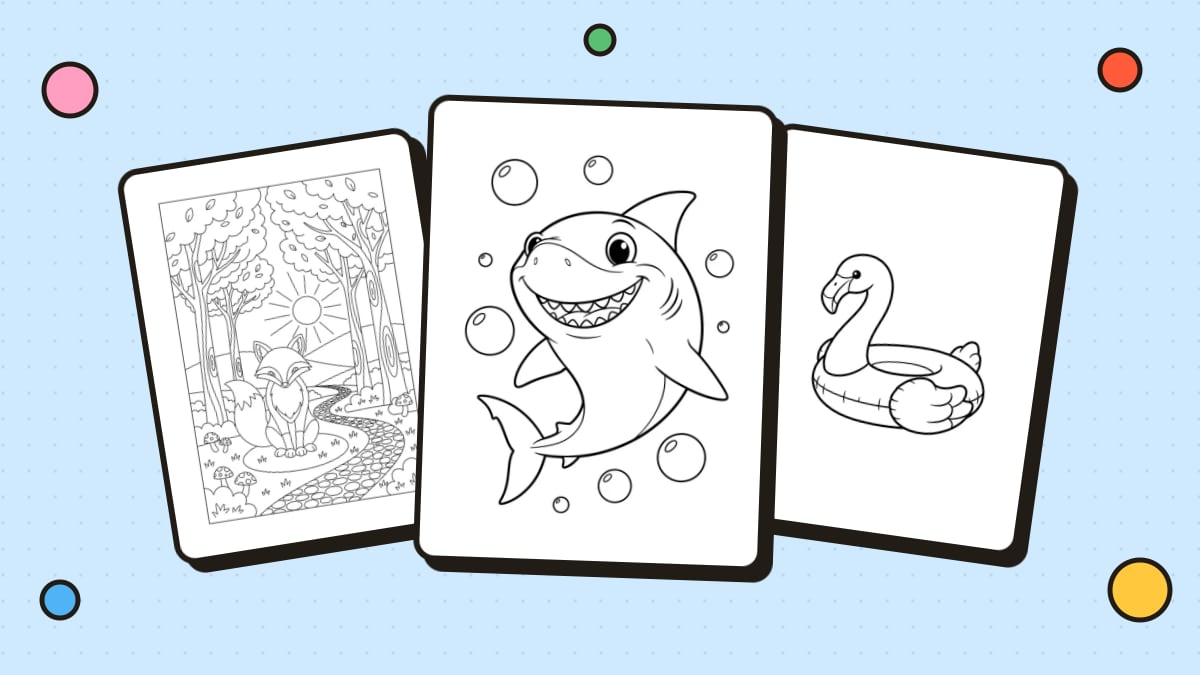
Make your own coloring page of this in seconds1 free page a day, no sign-up needed.Make my page
Dolphins find food with sound, sleep with half their brain and talk in whistles. 30 fun facts about dolphins for kids, plus how they differ from sharks.
30 Fun Facts About Dolphins for Kids
fun facts about dolphins
dolphin facts for kids
dolphins
ocean animals
marine mammals

Dolphins are fast, curious and social ocean mammals. They use sound to see in the dark, travel in family groups and can leap several meters out of the water. Here are 30 fun facts about dolphins for kids, including how to tell a dolphin from a shark.

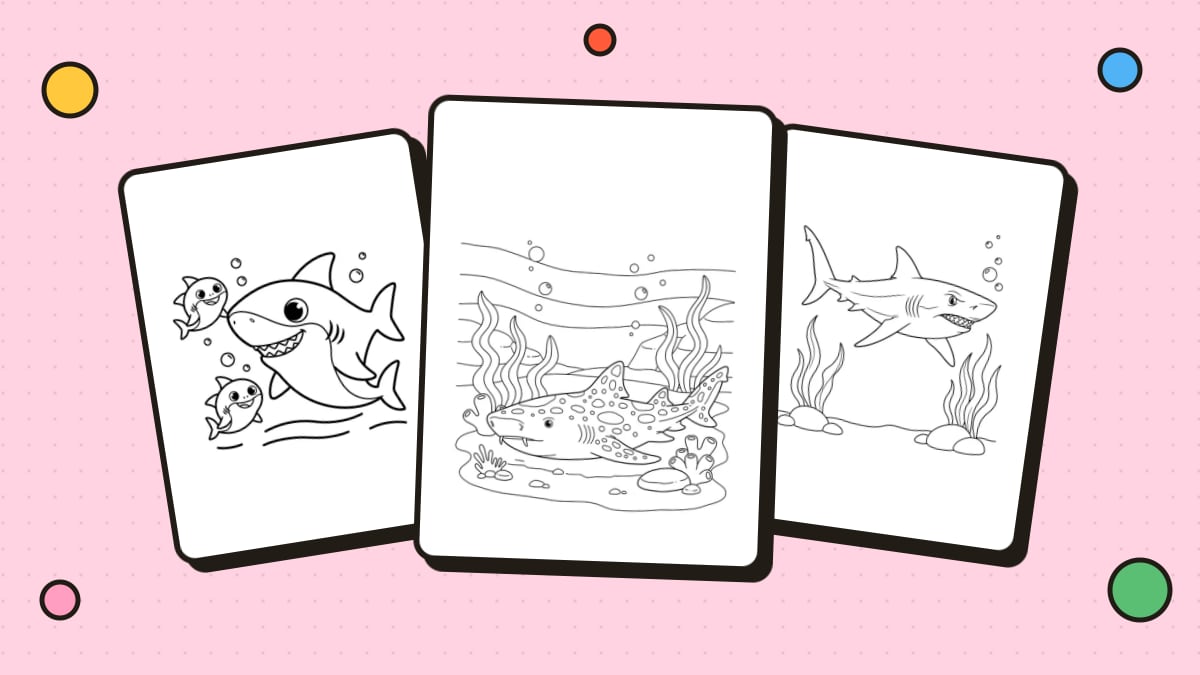
When you finish, print an ocean scene from our animal coloring pages or compare a dolphin with a shark coloring page.

Dolphins are mammals

  1. Dolphins are mammals, not fish. They breathe air, are warm-blooded and feed their babies milk.
  2. They breathe through a blowhole. It is on top of the head and works like a nose. Dolphins have to come up to the surface to breathe.
  3. Dolphins are a kind of toothed whale. They belong to the same big group as orcas and porpoises.
  4. There are about 40 species of ocean dolphins. There are also a few river dolphins, like the pink river dolphin of the Amazon.
  5. The orca is the biggest dolphin. Orcas, also called killer whales, are actually part of the dolphin family.
  6. A common bottlenose dolphin is about 2 to 4 meters long. That is roughly 6 to 13 feet.

Dolphin vs. shark

  1. Dolphins have horizontal tails. Their tail fins, called flukes, move up and down. A shark's tail is upright and moves side to side.
  2. Dolphins have lungs. Sharks have gills and take oxygen from water.
  3. Dolphins have smooth, rubbery skin. Sharks have rough skin covered in tiny tooth-like scales.
  4. Dolphins feed their babies milk. Shark pups never get milk, and many sharks hatch from egg cases.
  5. Dolphins have a rounded forehead and beak. Many sharks have a pointed snout.

Super senses

  1. Dolphins use echolocation. They make clicking sounds that bounce off objects and come back, which helps them find fish, even in murky water.
  2. Dolphins hear very well. They can hear high-pitched sounds that people can't.
  3. They talk with whistles. Each bottlenose dolphin has its own "signature whistle," which works a bit like a name.
  4. Dolphins have good eyesight. They can see well both in and out of the water.
  5. They do not smell. Dolphins don't have the nerves for a sense of smell.

Sleep and swimming

  1. Dolphins sleep with half of their brain at a time. One side rests while the other stays awake so they can keep surfacing to breathe.
  2. They keep one eye open. The eye connected to the awake half of the brain often stays open.
  3. Dolphins are fast swimmers. A bottlenose can reach about 30 km/h (around 19 mph) in a short burst.
  4. They leap and ride waves. Dolphins often jump and surf in the wake of boats. Scientists think it can help them save energy, communicate, or just play.

Food and learning

  1. Dolphins eat fish and squid. They grab food with their cone-shaped teeth and swallow it whole.
  2. Some dolphins hunt as a team. They may herd fish into a tight group before taking turns eating.
  3. Dolphins can use tools. In one place in Australia, some dolphins have been seen wearing sea sponges on their snouts while searching the sea floor.
  4. They are quick learners. Researchers have studied how dolphins learn from each other, remember sounds and solve problems.

Families and groups

  1. A group of dolphins is called a pod. Pods may have just a few dolphins or several dozen.
  2. Moms usually have one calf at a time. The baby is born tail first and swims right away, and the mother helps it to the surface for its first breath.
  3. Calves stay close to their mothers. They nurse for a long time and can stay with their mother for years.
  4. Dolphins often help each other. Pod members have been seen supporting a sick or injured dolphin near the surface.
  5. Bottlenose dolphins often live for several decades. Many live 40 years or more in good conditions.
  6. Dolphins face real threats. Fishing nets, pollution and noise from ships can hurt them, and people work to keep oceans clean and safe.

Dolphin coloring ideas

  • Dolphins are gray, but real ones show blue, silver and soft pink. Try layering light blue and gray, and see our color mixing chart for easy shades.
  • Add a bright sky and sea using warm and cool colors to make the dolphin stand out.
  • Want something with more bite? Try the shark facts next and compare them with your dolphin facts.