Pattern Coloring Pages
Pattern coloring pages have no subject, and that's the appeal. There's nothing to get right: only shapes that repeat across the page and colors you choose as you go. This collection runs from simple stripes and scallops to intricate design coloring pages with paisley, tessellations and interlocking tiles for adults.
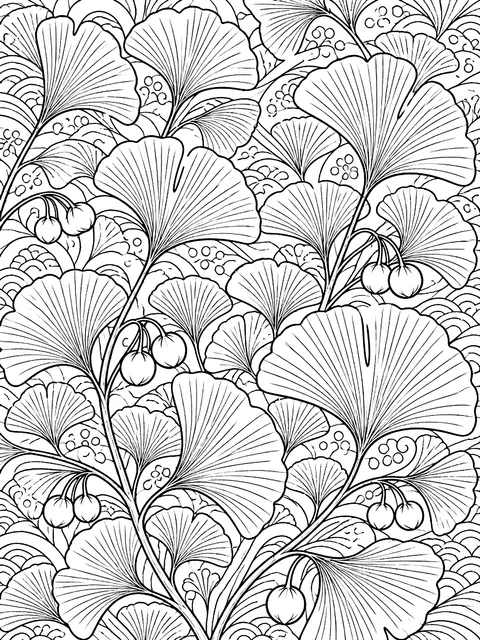 Field of ginkgo leavesDetailed
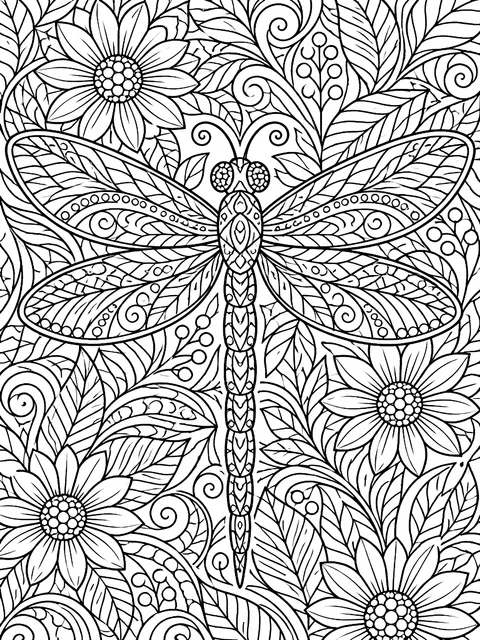 Tangle-style sectionsDetailed
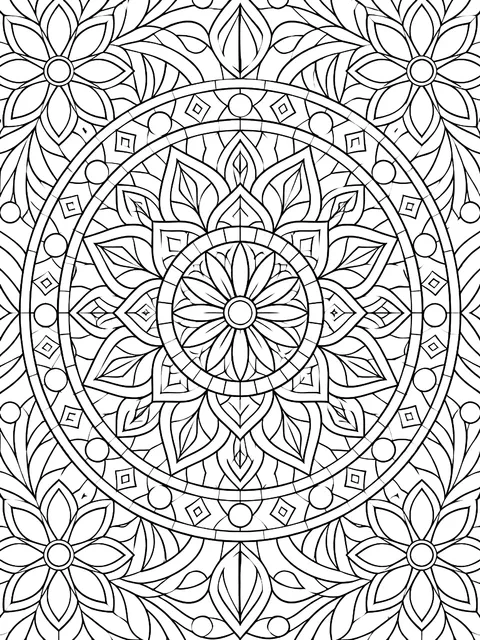 Circular mosaic medallionDetailed
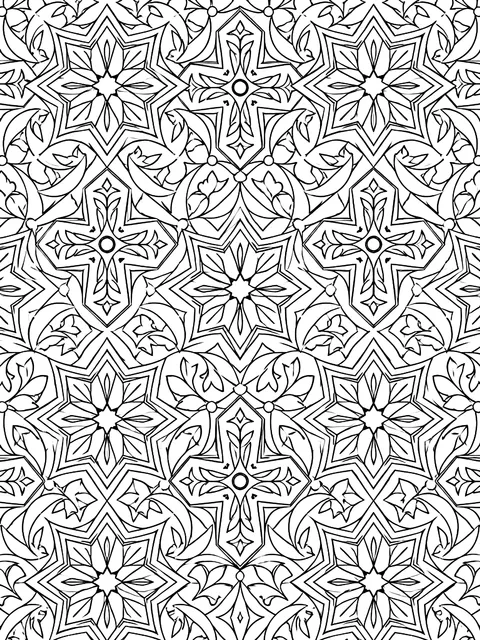 Star-and-cross tilesDetailed
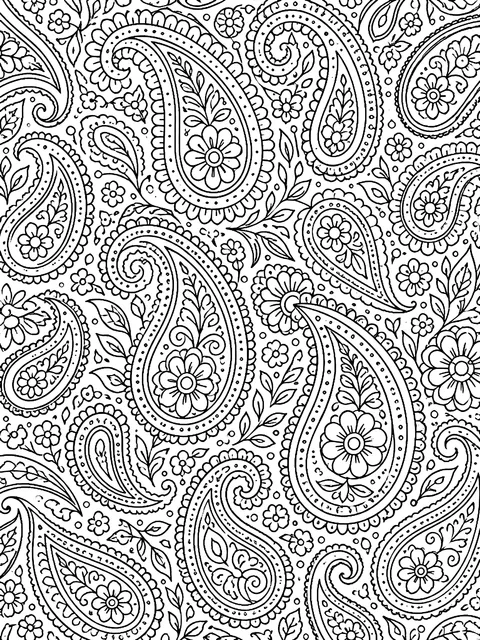 All-over paisleyDetailed
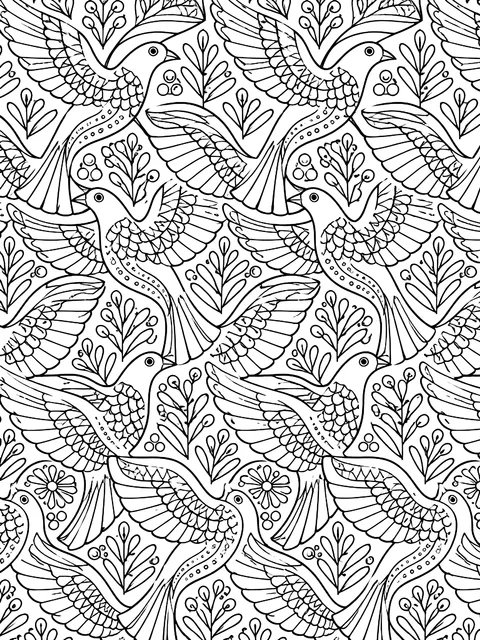 Interlocking bird tessellationDetailed
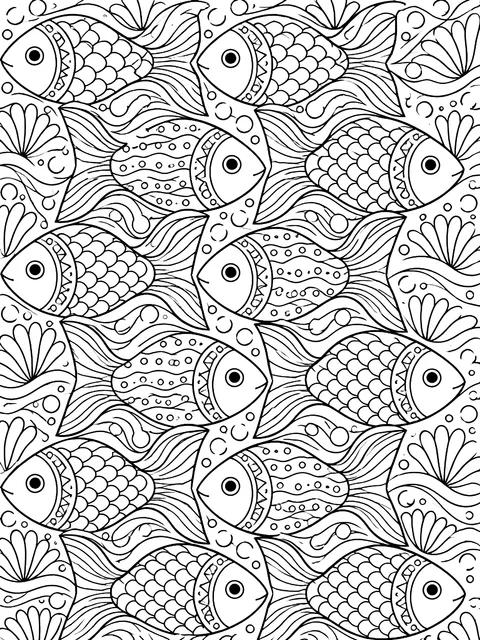 Interlocking fish tessellationDetailed
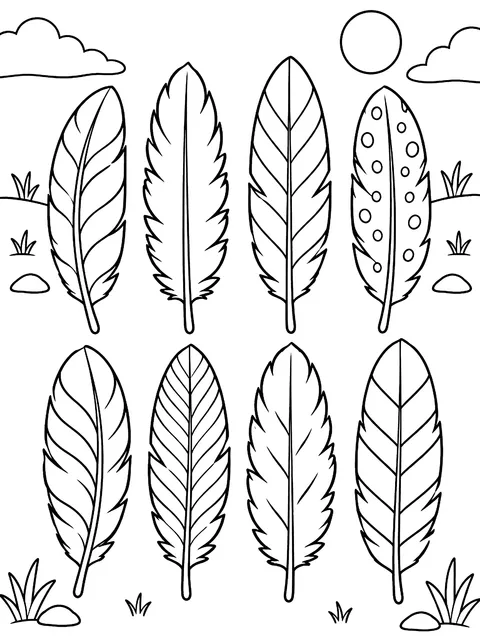 Rows of feathersMedium
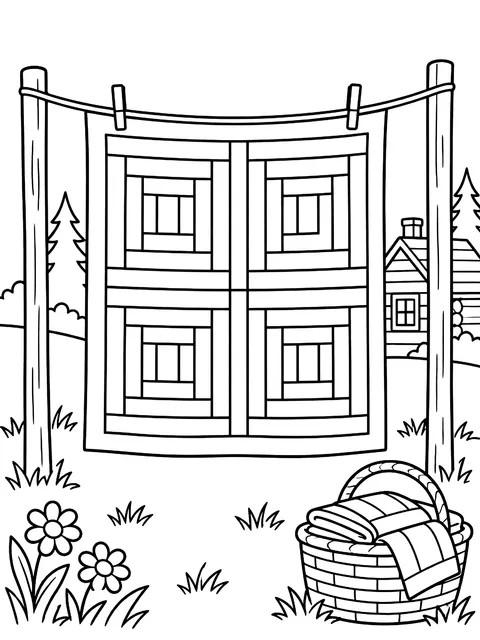 Log cabin quilt blocksMedium
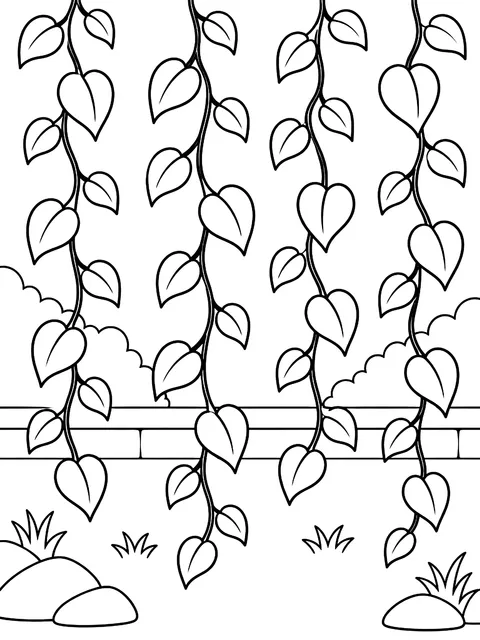 Trailing vines repeatMedium
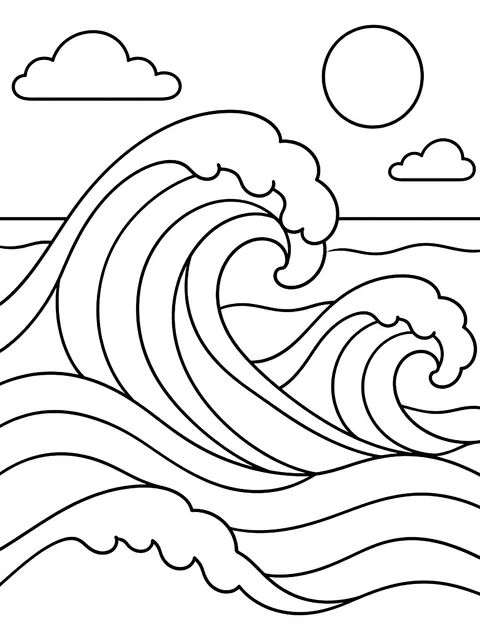 Ocean swell patternMedium
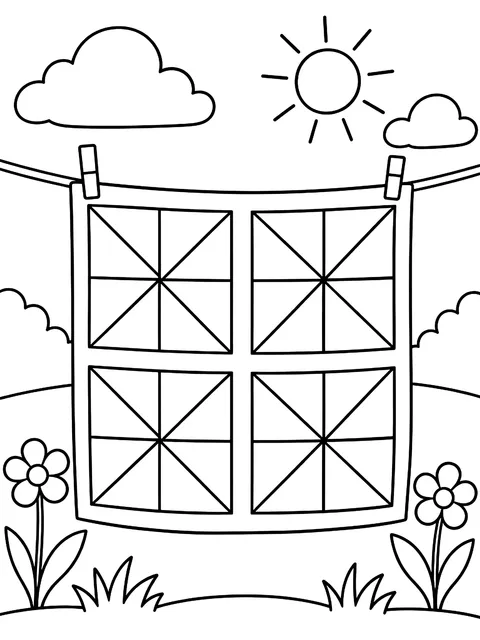 Pinwheel quilt blocksMedium
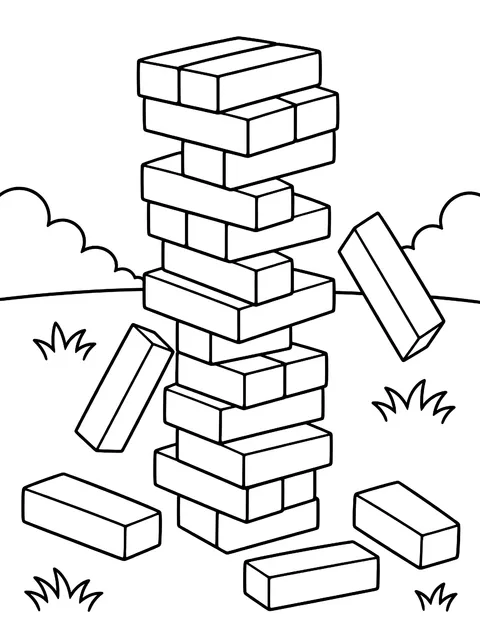 Tumbling blocksMedium
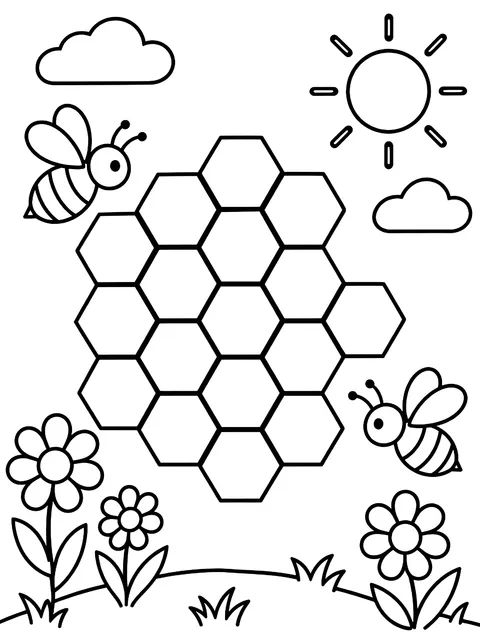 Hexagon honeycombMedium
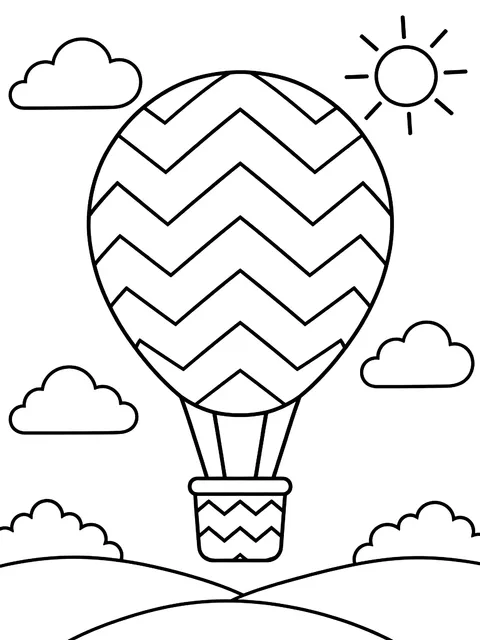 Chevron patternMedium
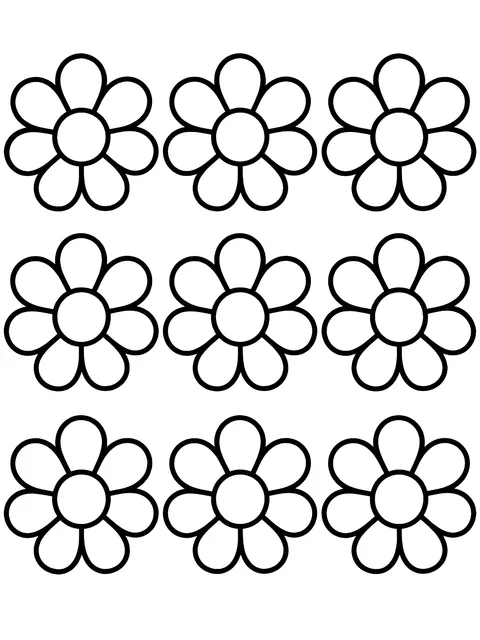 Daisies in a gridEasy
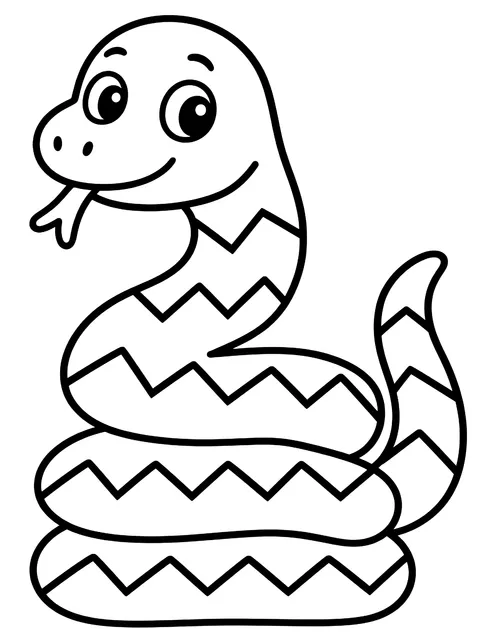 Zigzag rowsEasy
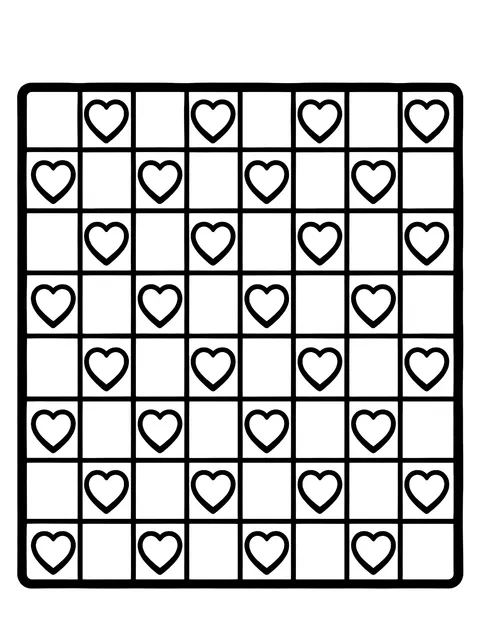 Checkerboard with heartsEasy
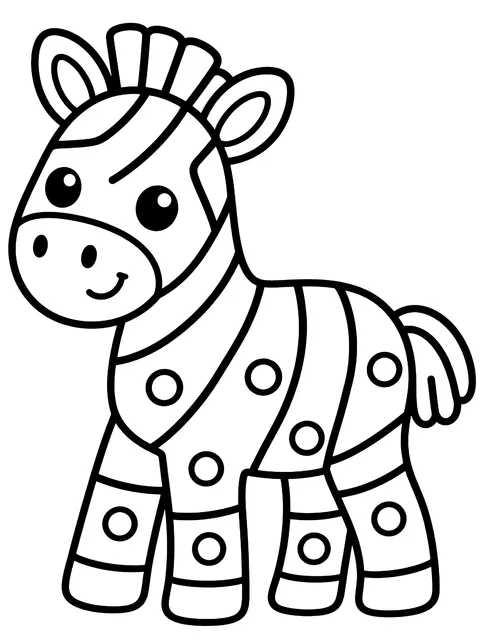 Bold stripes and dotsEasy
 Large scallop patternEasy
Patterns and designs to color
- Geometric: hexagon honeycomb, chevrons, zigzags and tumbling blocks that look 3D
- Tessellations: interlocking fish and birds that fit together with no gaps
- Floral and leaf repeats: daisies in a grid, trailing vines and a field of ginkgo leaves
- Paisley: teardrop shapes filled with dots, petals and curls
- Waves and feathers: overlapping scallops, ocean swells and feather rows
- Quilt blocks: log cabin and pinwheel blocks set in a grid
- Tile and mosaic: star-and-cross tiles and a circular mosaic medallion
- Tangle-style sections: a page divided into areas, each filled with a different hand-drawn texture
How to choose colors for pattern coloring pages
With no sky or skin to guide you, color choice is the whole game. These approaches work on any pattern.
Two colors. Alternate them like a checkerboard. It's the fastest way to see how a pattern is built, and it's a good first pass for kids.
One color, many shades. Take four pencils from the same family, light to dark, and repeat them in order. The page looks calm and deliberate.
Opposites. Colors across the color wheel from each other, such as blue and orange or purple and yellow, make each other look brighter. Use one for most shapes and the other as an accent.
Follow the repeat. Find the smallest unit that repeats, color one, and copy that scheme in every other unit. Or break the rule on purpose in one spot to create a focal point.
Leave some white. Uncolored shapes act as a color of their own and keep a busy pattern from feeling heavy.
Fine-tip markers give crisp edges on geometric designs. Colored pencils are better for paisley and florals, where you may want to shade. For the intricate designs, print on smooth paper so thin lines stay sharp.
Patterns teach math too. Tessellations show how shapes can cover a surface without gaps, and quilt blocks are an exercise in symmetry.
Frequently asked questions
Are these pattern coloring pages free?
Yes. All pattern coloring pages are free to download and print for personal and classroom use.
Do you have coloring patterns for adults?
Yes. Pages marked Detailed are intricate designs with small spaces, aimed at adults and teens. Paisley, tessellations and the mosaic medallion are the most involved.
Are there simple pattern coloring sheets for kids?
Yes. Easy pages use large stripes, dots, scallops and checks. They're useful in kindergarten for practicing AB and ABC color patterns.
What is the difference between a pattern and a mandala?
A pattern repeats across the page in rows or tiles. A mandala repeats around a center point in a circle. If you like circular designs, see mandala coloring pages.