Plant Coloring Pages
These plant coloring pages are about the leaves, not the blooms. Print a potted cactus, a trailing vine on a shelf, a big split-leaf houseplant, a fern, a row of succulents or a seedling pushing out of the soil. There are also science sheets that show the parts of a plant and how a seed grows. If you're after petals, the flowers page is linked below.
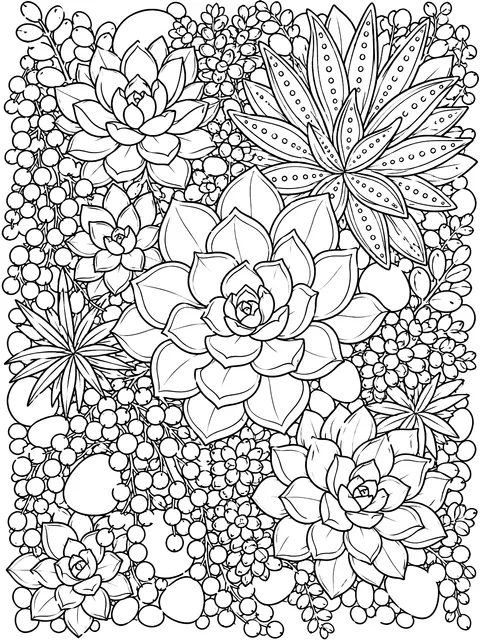 Succulent arrangement seen from aboveDetailed
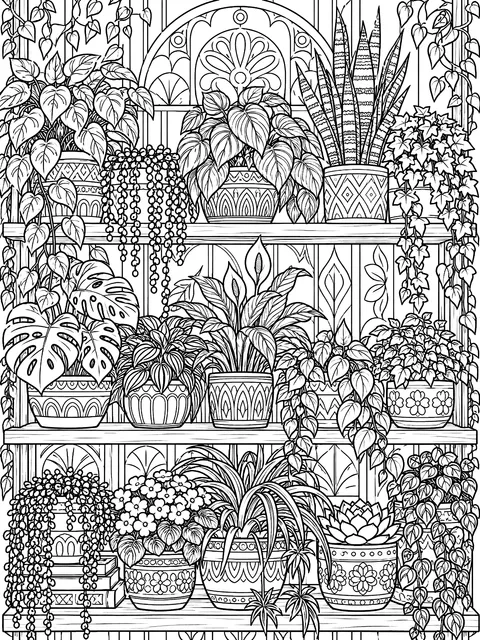 Shelf crowded with potted plantsDetailed
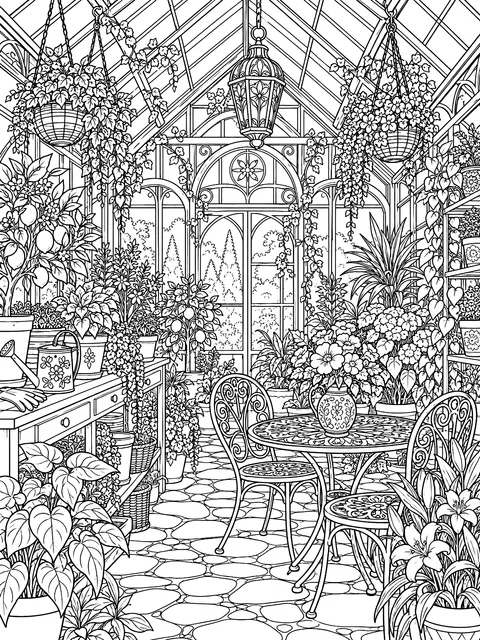 Inside a greenhouseDetailed
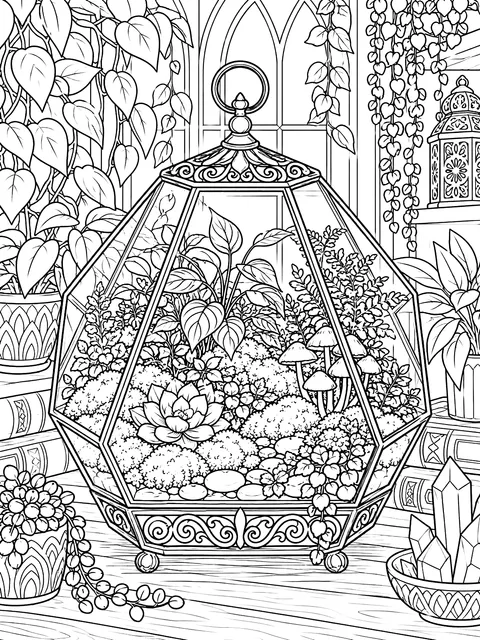 Glass terrarium with moss and tiny plantsDetailed
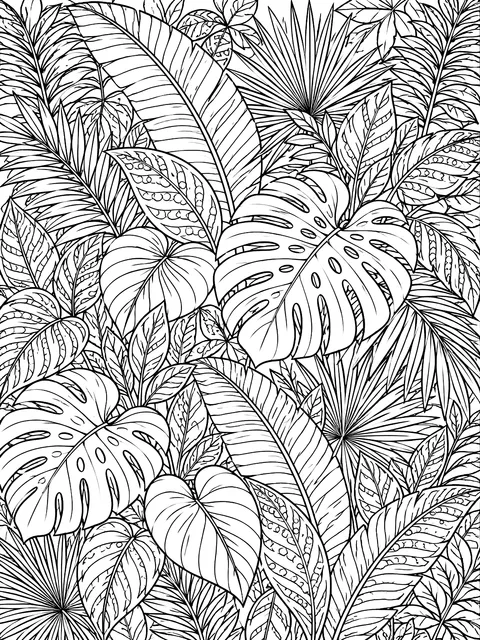 Jungle of overlapping leavesDetailed
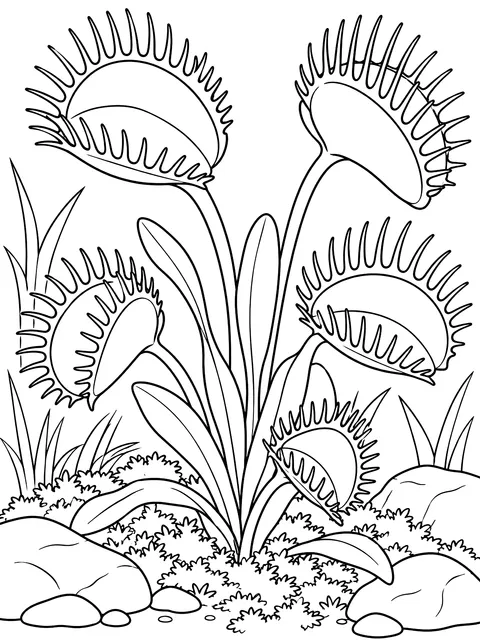 Venus flytrapMedium
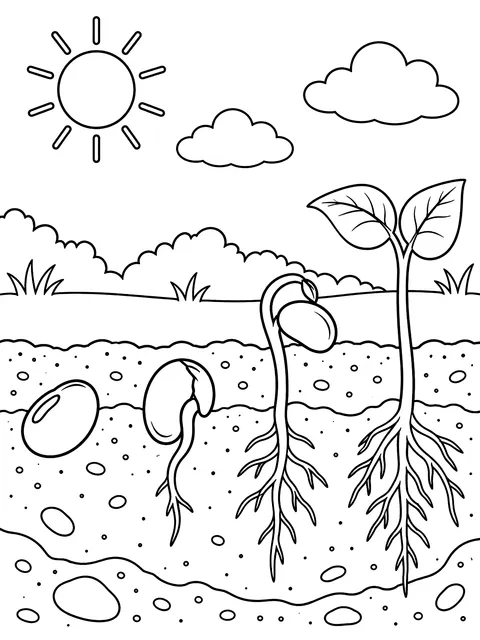 Bean seed sprouting in four stepsMedium
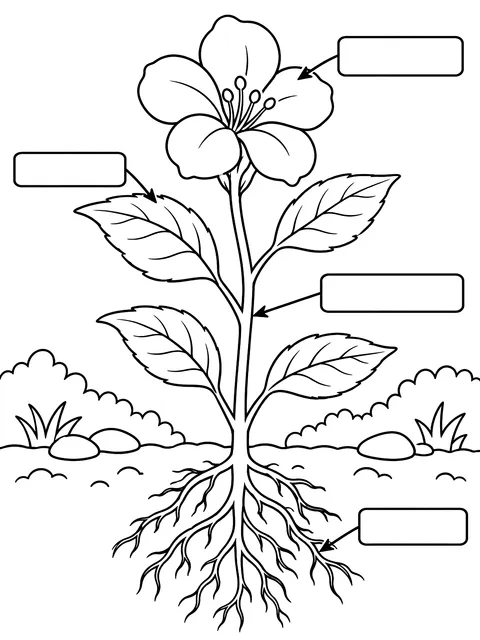 Parts of a plant with blank labelsMedium
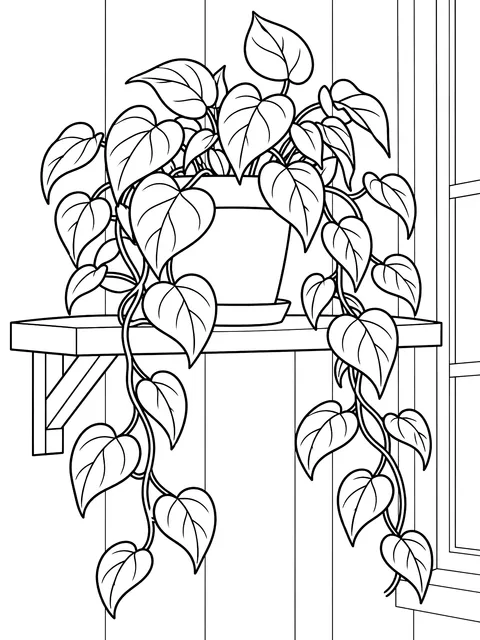 Trailing vine on a shelfMedium
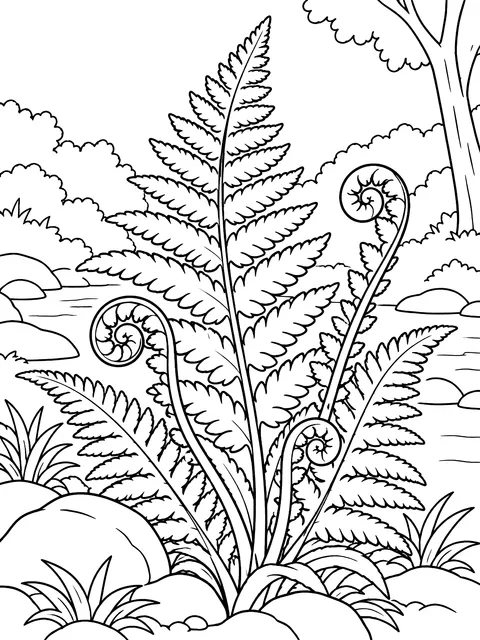 Fern with curled fiddleheadsMedium
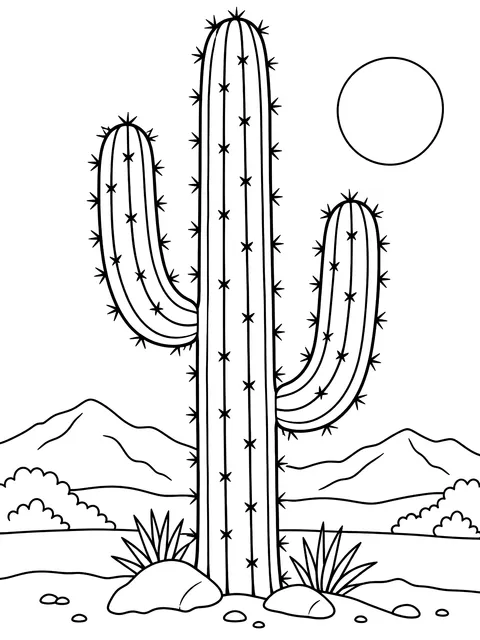 Tall cactus with armsMedium
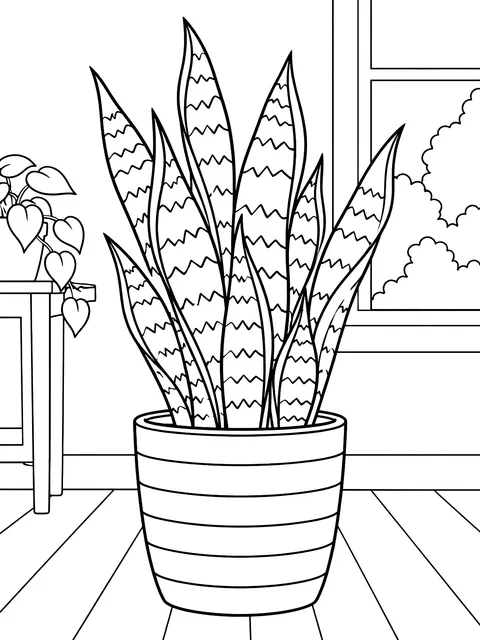 Snake plant in a striped potMedium
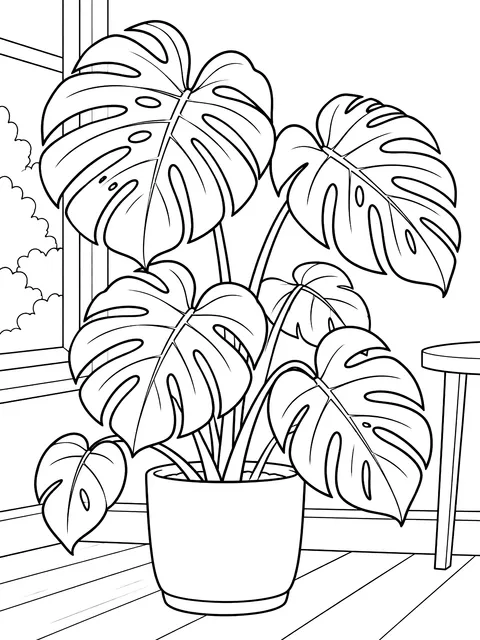 Monstera with split leavesMedium
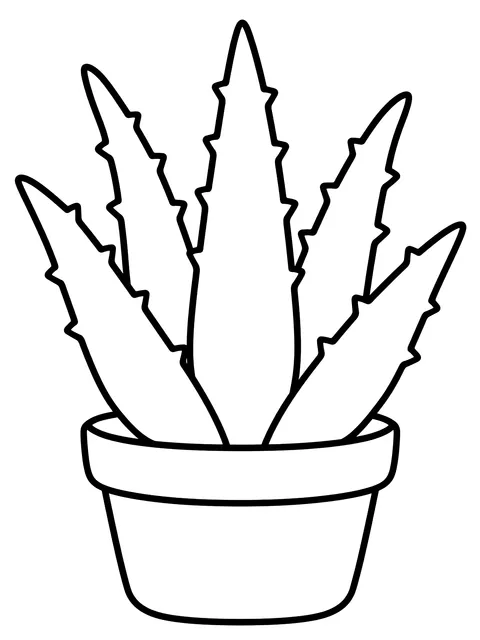 Aloe plantEasy
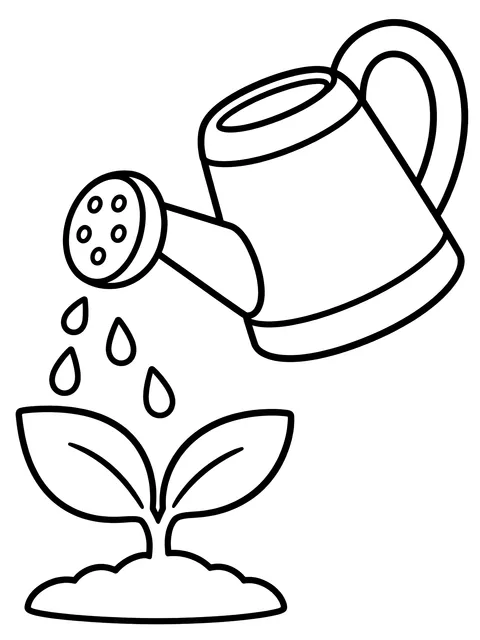 Watering can and a sproutEasy
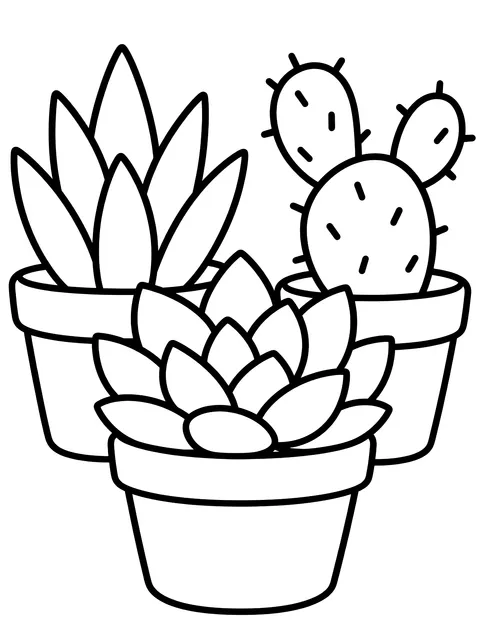 Three succulents in small potsEasy
 Smiling cactusEasy
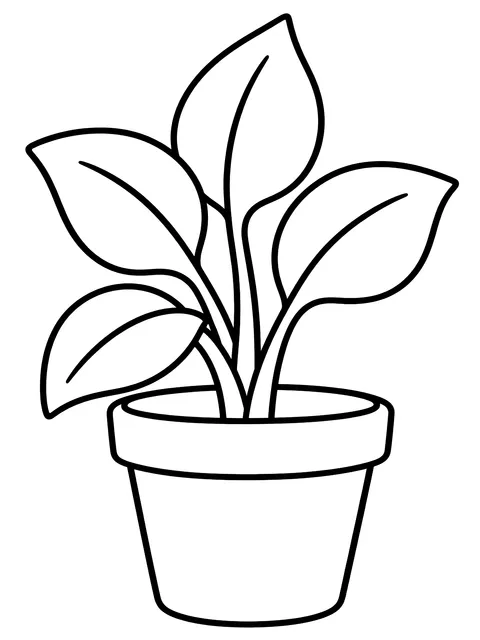 Simple potted plantEasy
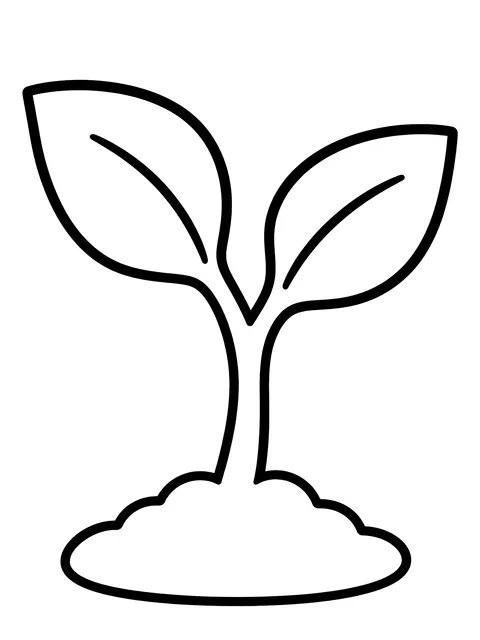 Seedling with two leavesEasy
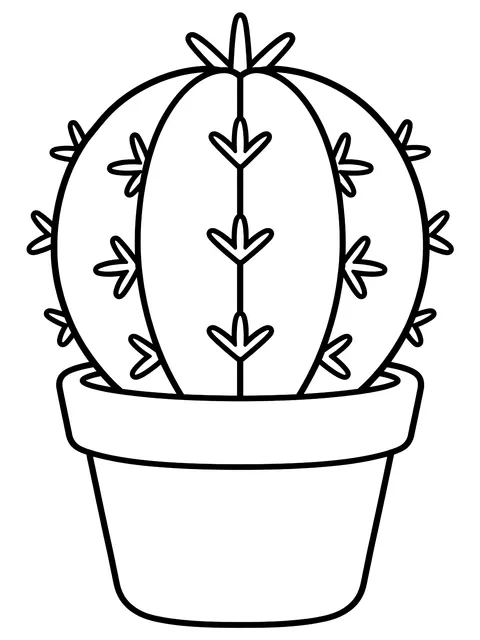 Round cactus in a potEasy
What's in these plant coloring pages
- Houseplants: snake plants, trailing vines and the monstera, the one with holes in its leaves.
- Cacti: round barrel shapes and tall ones with arms, covered in spines where other plants have leaves.
- Succulents: thick leaves that store water, often arranged in a tight spiral.
- Ferns: feathery fronds that uncurl from tight coils called fiddleheads.
- Carnivorous plants: the Venus flytrap, whose leaves snap shut on insects.
- Seedlings: two small leaves, a thin stem and a thread of root.
- Science sheets: roots, stem, leaves and flower with blank labels, plus a bean seed sprouting step by step.
How plants work, and how to color leaves
Plants make their own food. Leaves take in sunlight, water and a gas from the air called carbon dioxide, and turn them into sugar. The process is called photosynthesis. The pigment that drives it, chlorophyll, is what makes leaves green. Roots hold the plant in place and drink water from the soil. The stem carries that water up to the leaves.
Green is the main color here, so the page looks best when you use several:
- New leaves: yellow-green or lime.
- Mature leaves: medium green, with the vein down the middle left lighter.
- Leaves at the back: dark green or blue-green.
- Cacti and succulents: gray-green or blue-green, sometimes with pink or purple tips.
- Variegated leaves: green with cream or white patches and stripes.
Color each leaf in the direction of its veins, from the middle out to the edge. Pots are a chance to add other colors: terracotta orange, glazed blue or white with a pattern. Dark brown soil with a few lighter specks finishes the page.
Frequently asked questions
Are these plant coloring pages free?
Yes. All plant coloring pages are free to download and print for personal and classroom use.
Do you have a parts of a plant coloring page for science class?
Yes. One sheet shows a flowering plant with roots, stem, leaves and flower, each with a blank line for the label. Another shows a bean seed sprouting in four steps. Both are easy to copy for a whole class.
Are there houseplant coloring pages for adults?
Yes. The Detailed pages include a shelf crowded with potted plants, a greenhouse and a jungle of big overlapping leaves. They're slow, calming pages for anyone who loves their houseplants.
Which plant coloring page is easiest?
The round cactus in a pot and the seedling with two leaves. Each has one plant, one or two big shapes and thick lines.