People search for coloring therapy when they want a way to calm down, take a break from their phone or settle a busy mind. Coloring can help with that. It is also easy to oversell. This article explains what coloring can reasonably offer, what researchers have found so far, how it differs from art therapy, and how to make your coloring time as restful as possible.
What people mean by coloring therapy
The phrase is used loosely. Most of the time, it means coloring for relaxation: sitting down with a pattern or a picture and filling it in. That is a hobby with a calming side effect, and it is a fine thing to do for its own sake.
It is not the same as therapy delivered by a professional. If you are struggling with anxiety, depression, grief or trauma, coloring may be a helpful way to unwind, but it is not a substitute for care from a doctor or counselor.
Coloring therapy vs art therapy
Art therapy is a mental health profession. Trained, credentialed therapists use drawing, painting and other art-making within a treatment relationship, with goals, sessions and a plan. Coloring a printed page on your own is a leisure activity. The two can overlap, since a therapist may use coloring in a session, but they are not interchangeable. If you want art therapy, look for a qualified art therapist through a licensing body or a healthcare provider.
What research suggests
A number of small studies have compared coloring structured designs, such as mandalas and geometric patterns, with free drawing or sitting quietly. Some found that people felt calmer or less anxious after a short coloring session. The studies were small and short, they measured how people felt right afterward, and results were mixed. So the honest summary is that coloring seems to help some people feel more relaxed in the moment, and there is no evidence that it treats a condition.
That matches what many people report. A coloring page asks for just enough attention to crowd out worry, without the pressure of a blank page.
Why coloring feels calming
A few ingredients probably play a part.
- Gentle focus. Choosing a color, staying in the lines and keeping a rhythm give the mind something simple to hold.
- Low stakes. The design is done, so there is no need to be good at art.
- Repetition. Small, repeated motions are soothing for many people.
- A screen break. Time away from notifications helps any mind settle.
- A clear finish. Completing a page gives a small sense of accomplishment.
How to make coloring more restful
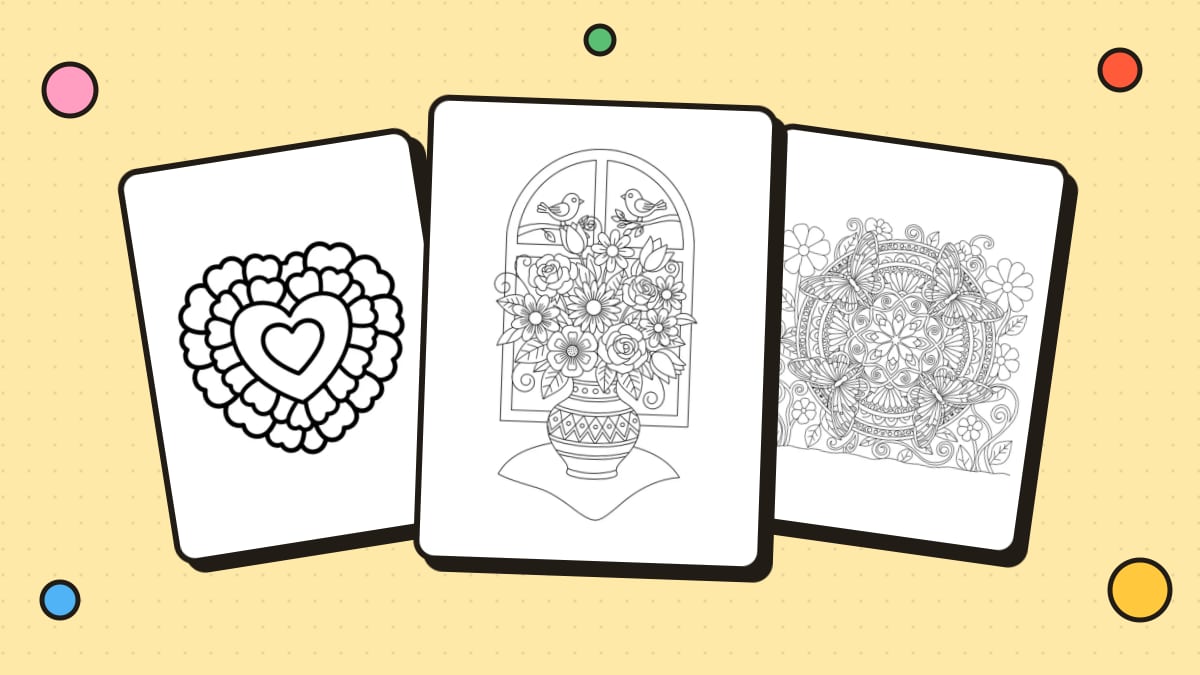
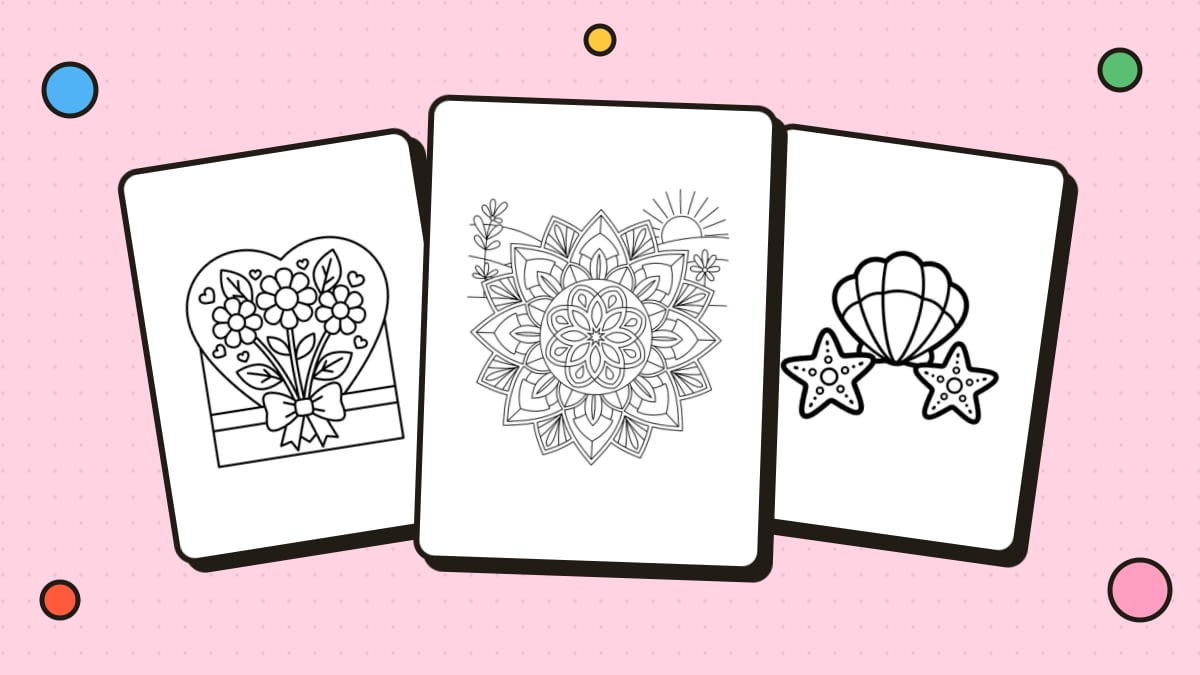
- Pick a calm design. Mandalas, flowers, leaves and waves have repeating shapes that suit a relaxed mood. Try our mandala coloring pages.
- Choose a numbered page when decisions feel tiring. On a numbered page the key picks the colors, so there is nothing to decide. See color by number for adults.
- Set a time and place. Ten to twenty minutes in the same chair each evening turns it into a routine.
- Put the phone in another room. Or put on quiet music, a podcast or an audiobook.
- Use tools you enjoy. Sharp pencils and good paper make coloring more pleasant. See how to color with colored pencils.
- Do not aim for perfect. Wandering outside the lines is allowed.
Coloring for kids
Children color for fun, and it also serves a practical purpose: it builds hand strength and gives them a calm moment in a busy day. A quiet coloring session after school can be a gentle way to wind down. Read more in the benefits of coloring. Coloring is not a replacement for professional help if a child is struggling, and a parent who is concerned should talk to a pediatrician or school counselor.
When to look for more support
Coloring is a good habit for everyday stress. If you notice that sadness, worry or sleep problems are lasting for weeks, getting in the way of daily life, or leading you to feel hopeless, please talk to a healthcare provider or a licensed mental health professional. If you ever feel you might harm yourself, contact local emergency services or a crisis line right away.
Getting started
You do not need to buy anything special. Print a page, grab a few pencils and sit down for ten minutes. If you want a guide for the whole hobby, read our beginner's guide to coloring for adults. If you like numbers and puzzles, a color by number page is a gentle place to begin.
FAQ
What is coloring therapy?
Usually it means coloring as a relaxing activity. It is not a clinical treatment, and it is different from art therapy, which is provided by a trained therapist.
Does coloring really reduce anxiety?
Some small studies found that people felt calmer after coloring structured designs for a short time. The research is limited, so it is best to think of coloring as a pleasant way to relax, not a treatment.
What is the best thing to color for relaxation?
Many people prefer mandalas, flowers and other repeating patterns. Pick whatever you enjoy, since enjoyment matters more than the subject.
How long should I color to feel calmer?
Ten to twenty minutes is a good start. Some people like longer sessions, and others prefer a few minutes at a time during the day.